
Door finishes explained.
What you are actually buying.
Two doors from different manufacturers look identical in a showroom photograph. Under the surface they are built from completely different materials and will perform differently in ten years. The finish is not just the colour or the sheen level. It is the entire material stack from the board substrate to the outermost coating.
German kitchen manufacturers publish detailed construction specifications for every door in their range. This guide explains what those specifications mean in practice, covers the twelve main finish types you will encounter in the German kitchen market, and gives you the practical vocabulary to compare quotes accurately.
The cross-section diagrams on each finish card show the exact layers in the door construction. Each layer has different properties. Understanding the stack tells you how a door will behave near a dishwasher, how it cleans, whether it is repairable, and how it ages. Use this guide before you request samples and before you approve a final specification.
Key terms.
Learn them once. Use them everywhere.
Showroom brochures and quotes use technical shorthand. These eight terms appear in almost every German kitchen specification. Understanding what each one means makes it straightforward to compare products and identify where quality differences actually lie.
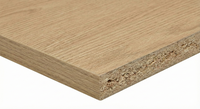
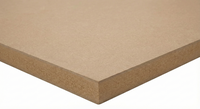
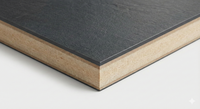
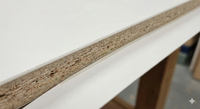
Real wood fronts use veneer, not solid timber slabs. Veneer is a thin layer of real wood (typically 0.6mm to 2.5mm) bonded to a stable engineered core. This construction reduces movement from humidity and keeps the door flatter through seasonal temperature and moisture changes. Expect natural grain variation between doors in the same kitchen. Sunlight changes wood tone over years. This is a characteristic of natural materials, not a defect.
Everyday finishes.
Melamine. Laminate. Foil.
These three finish types cover the majority of the German kitchen market by volume. They are engineered for durability and value. Each uses a different construction approach to achieve a similar result: a hard, cleanable surface at a competitive price. Understanding what distinguishes them tells you where the quality hierarchy actually sits.
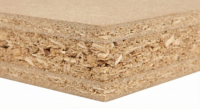
The entry-level German kitchen door finish. Resin-soaked décor papers are fused directly onto a chipboard substrate under high heat and pressure. The surface finish depends entirely on the press plates used in production: the same process produces shiny, matt, or textured surfaces. No separate coating layer is applied after pressing. The surface and the board are a single bonded unit.
Best suited to
- Budget-led kitchen projects
- Utility rooms and secondary kitchens
- Rental properties and landlord specifications
- Buyers on a shorter ownership cycle
Practical considerations
- Good everyday durability for the price level
- Colour matching is consistent across production batches
- Damage is not repairable. Replacement is the standard route.
- PP edge banding quality varies significantly. Check edge joins before accepting.
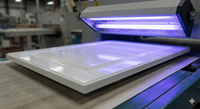
HPL sheets are produced by compressing multiple layers of resin-impregnated papers under very high pressure and temperature. The resulting sheet is harder and significantly more resistant to impact, scratches, and moisture than the melamine surface applied to a chipboard base. The HPL sheet is bonded to the wood substrate as a separate formed element. The multilayer construction is what gives HPL its performance advantage over melamine at a similar colour palette and sheen range.
Best suited to
- Family kitchens with high daily traffic
- Rental homes and holiday lets
- Zones around bins, sinks, and dishwashers
- Buyers who clean frequently with commercial cleaners
Practical considerations
- The most impact-resistant surface at this price level
- Stone, concrete, wood grain, and metallic textures all available
- Damage is not typically repairable. Door replacement is the route.
- Edge quality matters. Look for wrapped or PP-sealed profiles with no visible joins.
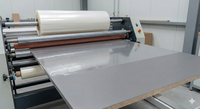
A PET (polyester) film is pressed over an MDF core and then top-coated with a functional lacquer layer. Better quality versions add an anti-fingerprint (AFP) coating over the lacquer, which gives the surface a lotus effect: fingerprint oils do not adhere, marks stay nearly invisible, and cleaning is faster. PP edging on all sides seals the edge completely. This construction gives the smooth, clean appearance of a lacquered door at a more accessible price point, and is the most common finish on mid-range German kitchen ranges.
Best suited to
- Everyday family kitchens wanting a clean, modern look
- Matt handleless kitchens where fingerprints are the primary concern
- Open-plan spaces where the kitchen is visible from across the room
- Buyers wanting a lacquered appearance at mid-range cost
Practical considerations
- AFP versions significantly reduce daily cleaning effort on matt fronts
- Smooth fronts with vertical seamless construction available on selected ranges
- Very high abrasion and scratch resistance on well-specified AFP versions
- An attractive alternative to genuine lacquer fronts at a meaningful price saving
Lacquered finishes.
UV. Matt. Velvet. High Gloss.
Lacquered doors represent the core of the premium German kitchen market. The construction is consistent — paint and lacquer layers on an MDF substrate — but the specific process, number of coats, and final treatment produce very different surfaces. Understanding the difference between UV lacquer, matt lacquer, textured velvet, and high gloss determines which finish suits your home and cleaning routine.
Quality wood-based panels are coated with melamine, then multiple ground coat layers are applied using a casting process. A UV-curing lacquer is applied as the final surface and instantly hardened under UV light. This UV curing produces a very consistent surface hardness across production batches and a repeatable finish quality that spray-applied lacquers cannot always achieve at the same cost level. Available in both matt and gloss variants within the same production process.
Best suited to
- Everyday kitchens wanting a step up from laminate
- Colour-led designs requiring consistent batch matching
- Households with regular cooking and frequent cleaning
- Projects where a mid-premium appearance fits a mid-range budget
Practical considerations
- Consistent finish quality across the full production run
- Strong scratch and abrasion resistance due to UV curing
- Wide colour range matching RAL and brand palettes
- Damage typically requires door replacement rather than refinish
Several coats of lacquer are applied to a high-quality MDF board. The finish is created through a multi-stage sanding and honing process after the paint has been applied, producing a silky-matt surface with a velvety, homogeneous feel. Premium versions add an anti-fingerprint coating that makes the surface extremely easy to clean. PP edging on all four sides completes the construction. The ability to refinish damaged doors — through a specialist respray — makes this a genuinely long-term investment in comparison to film and laminate alternatives.
Best suited to
- Long-term homes where quality should last 15+ years
- Handleless kitchens where the clean door face is the design feature
- Buyers wanting understated luxury without high-gloss reflections
- Design-led kitchens using a wide RAL or heritage paint colour range
Practical considerations
- AFP versions are brilliant for colour accuracy and very easy to clean
- Extremely high abrasion and scratch resistance on premium AFP versions
- Custom colour matching to RAL, Farrow and Ball, and SIKKENS available on selected ranges
- Specialist refinishing possible if significant damage occurs
A premium lacquer process that applies multiple coats of paint to quality wood-based panels. The texture is created during the paint application stage rather than through post-application treatment. The result is a homogeneous surface with a soft, tactile velvet feel: the finish looks like a refined matt but has a distinct warmth and grip under the hand that standard honed lacquer does not produce. A premium option for buyers who want a distinctive sensory quality alongside the visual character.
Best suited to
- Design-led kitchens where tactile surface quality is part of the brief
- Contemporary interiors where standard gloss or plain matt are too ordinary
- Buyers who interact with the kitchen as much for how it feels as for how it looks
- Feature islands and statement wall runs in premium projects
Practical considerations
- The texture gives the surface depth and visual interest that flat lacquers do not have
- Strong scratch resistance for a textured surface
- Use a soft cloth. Abrasive cleaners alter the texture over time.
- Specialist refinishing possible for significant damage
The most labour-intensive lacquer process. Multiple polyurethane layers are applied to MDF, with surfaces and edges sanded between each coat. The final lacquer coat is polished and buffed to produce a mirror-smooth, deep reflective surface. Custom RAL and NCS colour matching is available on most premium German ranges at this level. The result is the most refined and visually striking door finish available in the German kitchen market, and also the one requiring the most disciplined cleaning routine to maintain its appearance.
Best suited to
- Show kitchens and luxury residential projects where appearance is primary
- Accent runs, islands, and feature walls in otherwise matt kitchens
- Buyers who accept a daily microfibre cleaning routine as part of the brief
- Spaces with controlled, considered lighting where reflections enhance the room
Practical considerations
- Every fingerprint, mark, and splash is visible. Microfibre cloth is essential.
- Minor surface scratches show more visibly than on matt finishes
- Colour depth and richness exceeds what any film or laminate can achieve
- Specialist polishing and buffing can address minor surface damage
Natural materials.
Veneer and linoleum.
Natural material doors bring warmth, grain, and a quality of variation that engineered surfaces cannot replicate. They require more specific care than lacquered doors and will change character over time. These changes are features of natural materials, not defects. Understanding how they behave is essential before specifying them.
An MDF board carries a double-sided 2.5mm thick saw-cut veneer, manually applied and surface-blasted to reveal the natural grain character. Natural features including branches, cracks, and mirror patterns of varying size are preserved rather than eliminated. The door is processed through pickling, priming, grinding, and varnishing to complete the surface. The resulting door has the authentic warmth and grain depth of solid timber with the dimensional stability of an engineered MDF core. No two doors are identical.
Best suited to
- Homes wanting warmth, texture, and natural character
- Japandi, modern classic, and natural material schemes
- Mixed material kitchens combining veneer with lacquered runs
- Buyers who value and accept natural variation between doors
Practical considerations
- No two doors are identical. Natural grain and feature variation is inherent.
- Sunlight changes wood tone over time. Position in the room matters.
- Follow the manufacturer's specific care and finishing instructions. Oil-finished veneer needs periodic upkeep.
- Spot repair is possible depending on the surface finish used
A natural surface material made from linseed oil, resins, wood flour, limestone flour, and colour pigments bonded to a triple-ply chipboard substrate. Linoleum is biodegradable, naturally anti-bacterial, and anti-static. Its warmth and matte depth make it a distinctive choice in eco-led and Scandinavian-influenced kitchen schemes. As a natural material it requires specific care to maintain its appearance and colour stability over time.
Best suited to
- Eco-led and sustainability-focused projects
- Quiet, matt kitchens with a muted, considered colour palette
- Buyers with consistent cleaning habits using approved products
- Designers working with natural and muted material combinations
Practical considerations
- Only approved cleaning products. Unsuitable cleaners damage the surface permanently.
- Colour may change due to light exposure, cooking vapours, or cleaning product choice
- Batch colour variation possible. View samples from the specific delivery before accepting.
- Brand-specific repair and maintenance guidance must be followed throughout the kitchen's life
Specialist surfaces.
Glass. Concrete. Aluminium. Steel.
Specialist surface finishes are at the high end of the German kitchen range. Each uses a different bonded surface material on a triple-ply chipboard substrate. They deliver properties that lacquered doors cannot match: the scratch and moisture resistance of glass, the industrial character of concrete, the precision of anodised aluminium, and the living patina of brushed stainless steel.
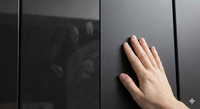
An MDF board carries a 2mm glass laminate on both faces. The glass laminate has a scratch-resistant hardcoat finish that produces either a matt or high-gloss glass appearance. A stabilising colour-matched layer on the back prevents distortion. The result is a crisp, reflective surface with outstanding wipe-clean performance, scratch resistance that significantly exceeds conventional lacquered doors, and a cool, precise quality that no paint-based finish can replicate.
Best suited to
- Contemporary show kitchens and design-led projects
- Homes with a strong hygiene focus or professional cooking habits
- Accent runs, islands, and statement splash areas
- Buyers wanting crisp reflections with superior cleaning performance
Practical considerations
- Very strong scratch resistance exceeds lacquered alternatives at this appearance level
- Cool, smooth feel under the hand. Very clean aesthetic in person.
- Glass cleaner and microfibre cloth for daily maintenance
- Damage typically requires panel replacement rather than surface repair
Real concrete plaster is applied by hand to an MDF substrate by skilled artisans, then sealed for kitchen use. Each door is individually crafted. The process creates an industrial depth and texture that printed concrete-look films and laminates cannot replicate at close range. Slight variations in colour intensity and surface shading between doors are inherent to the handmade process. These variations are the quality and the character of the material.
Best suited to
- Loft, industrial, and warehouse-conversion kitchen schemes
- Statement islands and feature sections within a mixed-finish kitchen
- Mixed material projects combining concrete with wood veneer or metal
- Buyers who value handmade character and accept natural variation as part of the proposition
Practical considerations
- Each door is unique. Colour and texture variation between units is inherent.
- Follow the brand's specific sealer and cleaning guidance. The sealer determines maintenance.
- Long lead time compared to standard lacquered doors. Plan ahead.
- Repair is brand-specific. Replacement doors may vary slightly from original
A strong anodised or brushed aluminium surface is bonded to a triple-ply chipboard core. Anodising creates a hard, corrosion-resistant oxide layer directly on the aluminium surface, providing durability that painted or lacquered alternatives cannot match at equivalent hardness. Available in brushed, eccentrically ground, or polished variants. The 20mm total door thickness is thicker than standard lacquered doors. Used for minimalist kitchens wanting a commercial-quality aesthetic in a domestic setting.
Best suited to
- Minimalist kitchens wanting a commercial or industrial aesthetic
- Homes wanting a commercial tone with domestic quality and specification
- Feature cabinets, tall housings, and island statement pieces
- High-use zones where surface hardness is the primary requirement
Practical considerations
- Very strong scratch and impact resistance from the anodised surface
- Cool to the touch. Very different tactile quality from any painted or film finish.
- Non-abrasive cleaner only. Abrasive products scratch through the anodising.
- Door is heavier than standard. Confirm hinge specification supports the weight.
Stainless steel cladding is bonded to a triple-ply chipboard core on both faces. Available in brushed, eccentrically ground, or polished surface treatments. Stainless steel has high heat tolerance, very strong hygiene properties, and develops a living patina as it is used, giving it an individual character over time. It is the material of choice for professional kitchen environments and translates naturally to high-end domestic specifications where the cooking zone is used intensively.
Best suited to
- Chef-led homes and kitchens used at professional intensity
- Statement islands in contemporary and industrial schemes
- High-use prep zones where hygiene is the primary concern
- Buyers who welcome a living patina that develops character over years of use
Practical considerations
- Brushed finishes are significantly more forgiving of marks and water than polished
- Fingerprints and water marks are visible, particularly on polished surfaces
- Stainless-specific cleaner and soft cloth for daily maintenance
- The surface develops a living patina with use. This is a characteristic, not a defect.
Quick comparison.
Shortlist before you request samples.
| Finish | Impact resistance | Scratch resistance | Moisture performance | Repair route | Budget level |
|---|---|---|---|---|---|
| Melamine | Good | Good | Good | Replace door | £ |
| HPL Laminate | Very strong | Very strong | Very strong | Replace door | ££ |
| Lacquered PET film (AFP) | Strong | Strong | Strong | Replace door | ££ |
| UV Lacquer (HotCoating) | Strong | Strong | Strong | Replace door | £££ |
| Matt lacquer (honed AFP) | Very strong | Very strong | Very strong | Specialist refinish | ££££ |
| Textured velvet lacquer | Strong | Strong | Strong | Specialist refinish | ££££ |
| High gloss lacquer | Strong | Medium | Very strong | Specialist polish | £££££ |
| Thick veneer (real wood) | Strong | Medium | Medium | Depends on finish | ££££ |
| Linoleum | Strong | Medium | Medium | Brand guidance | ££££ |
| Glass laminate | Very strong | Very strong | Very strong | Replace panel | £££££ |
| Concrete surface | Strong | Medium | Medium | Brand guidance | £££££ |
| Aluminium anodised | Very strong | Very strong | Very strong | Brand guidance | £££££ |
| Stainless steel | Very strong | Strong | Very strong | Brand guidance | £££££ |
Six things to do
before you order.
Frequently asked questions.
Next step: explore the German kitchen brands.
Each manufacturer has a different finish programme. Compare what Nobilia, Häcker, Ballerina, and Nolte offer in your chosen finish type before booking a showroom visit.