
Key Takeaways
- A new level of sophistication is defined by mixed gloss and matte finishes.
- Skinny shakers and Japandi styles dominate modern kitchen design today.
- Wood finishers, such as oak and walnut, lead the 2026 palette.
- Integrated lighting and pocket storage further facilitate usability and comfort.
- Smaller plinths and multi height cabinetry create a more architectural look for kitchens.
- German engineering still sets standards in terms of sustainability and precision.
Evolving Aesthetics for 2026
German kitchen design in 2026 is all about refinement, function, and atmosphere. The look is calmer and more personal than in previous years, pushed by homeowners who value aesthetics and practicality in the same breath. Surfaces, lighting, and space planning come together to create an environment that feels handcrafted, not built.
The recent series of European design exhibitions and market reports confirm that German manufacturers remain at the forefront of kitchen design worldwide and that UK clients are attracted by their engineering precision and subtlety of style.
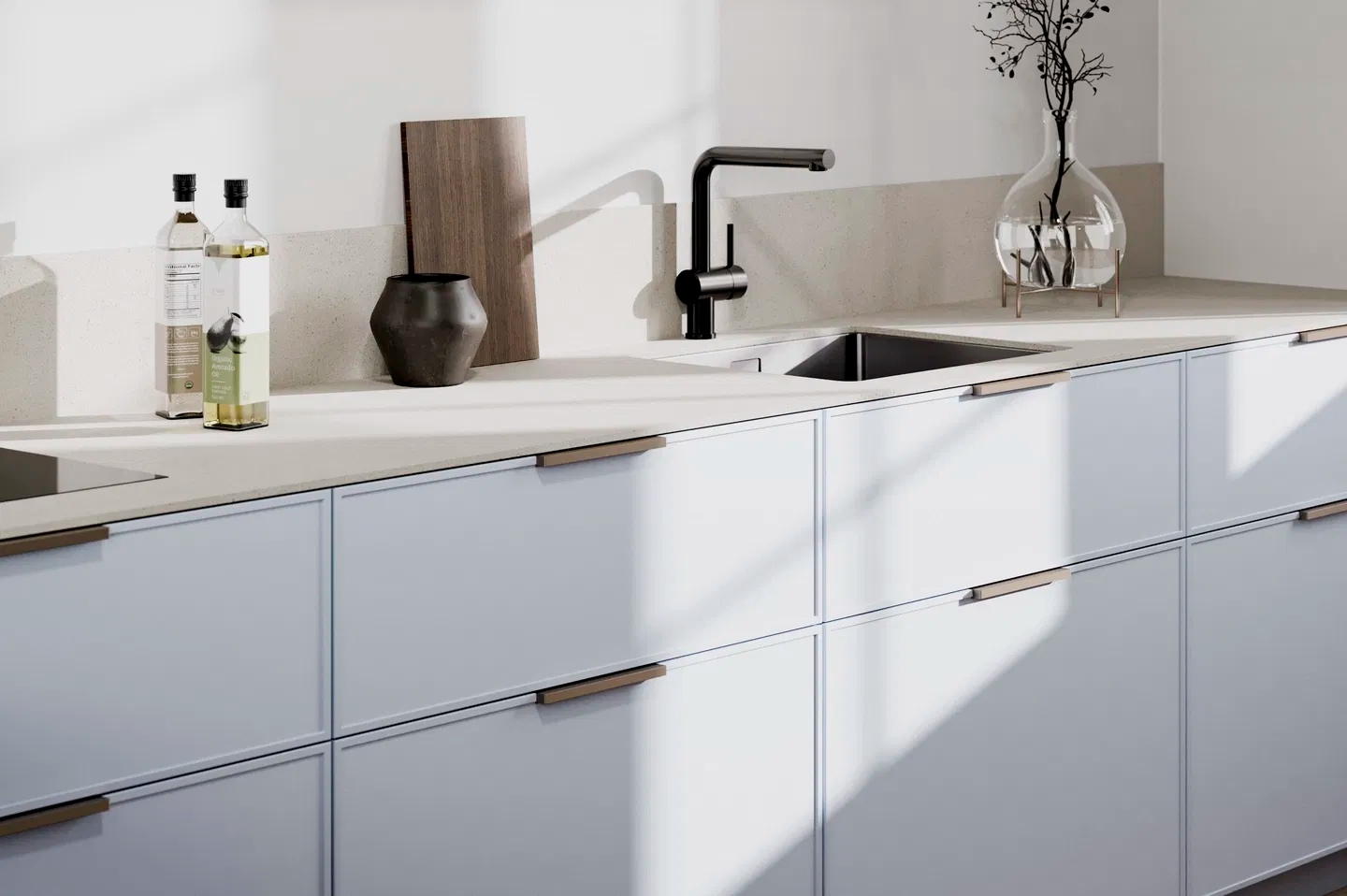
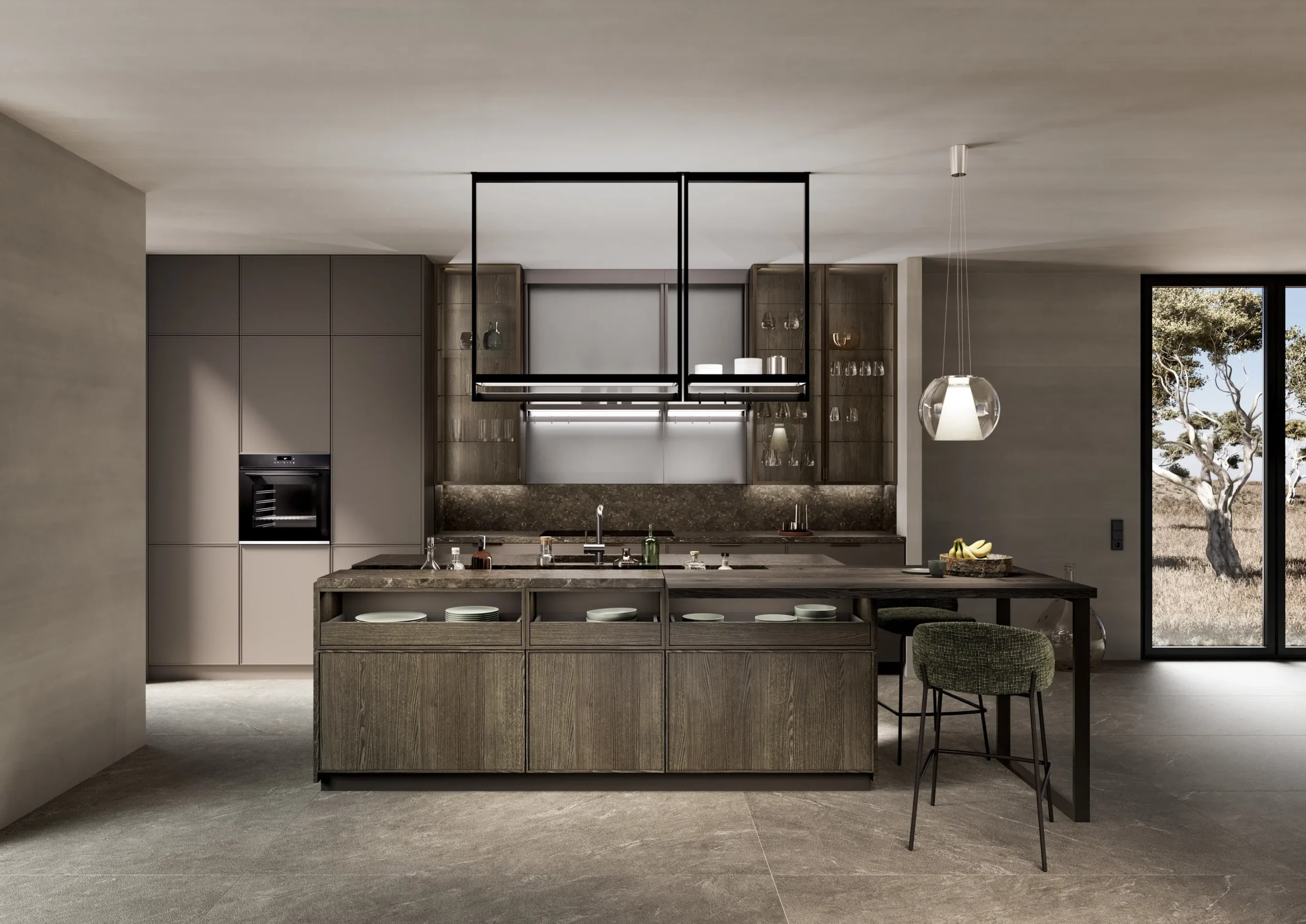
The Shaker style maintains its popularity in Britain, while its modern interpretation with a “skinny” look gives it a stylish makeover. Door frames are thinner: 12-20 mm compared with the standard 50 mm width. The outcome is lighter and finer, with a subtle look that straddles classic and contemporary.
The Rise of the Skinny Shaker
This variation works well with minimalist interior design and is especially effective in smaller UK homes, as it lends a sense of spaciousness. Its five-piece construction maintains some craftsmanship without over-ornamentation, allowing other materials like wood or stone to take precedent.
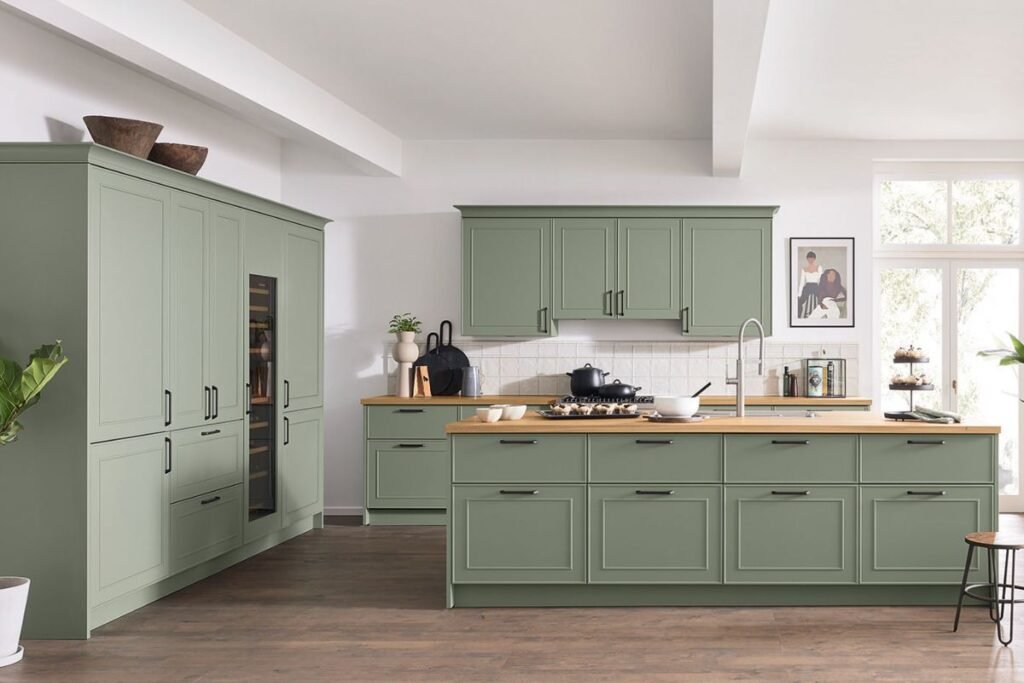
Slim shaker cabinet design detail
Mixed Finishes: Gloss Meets Matte
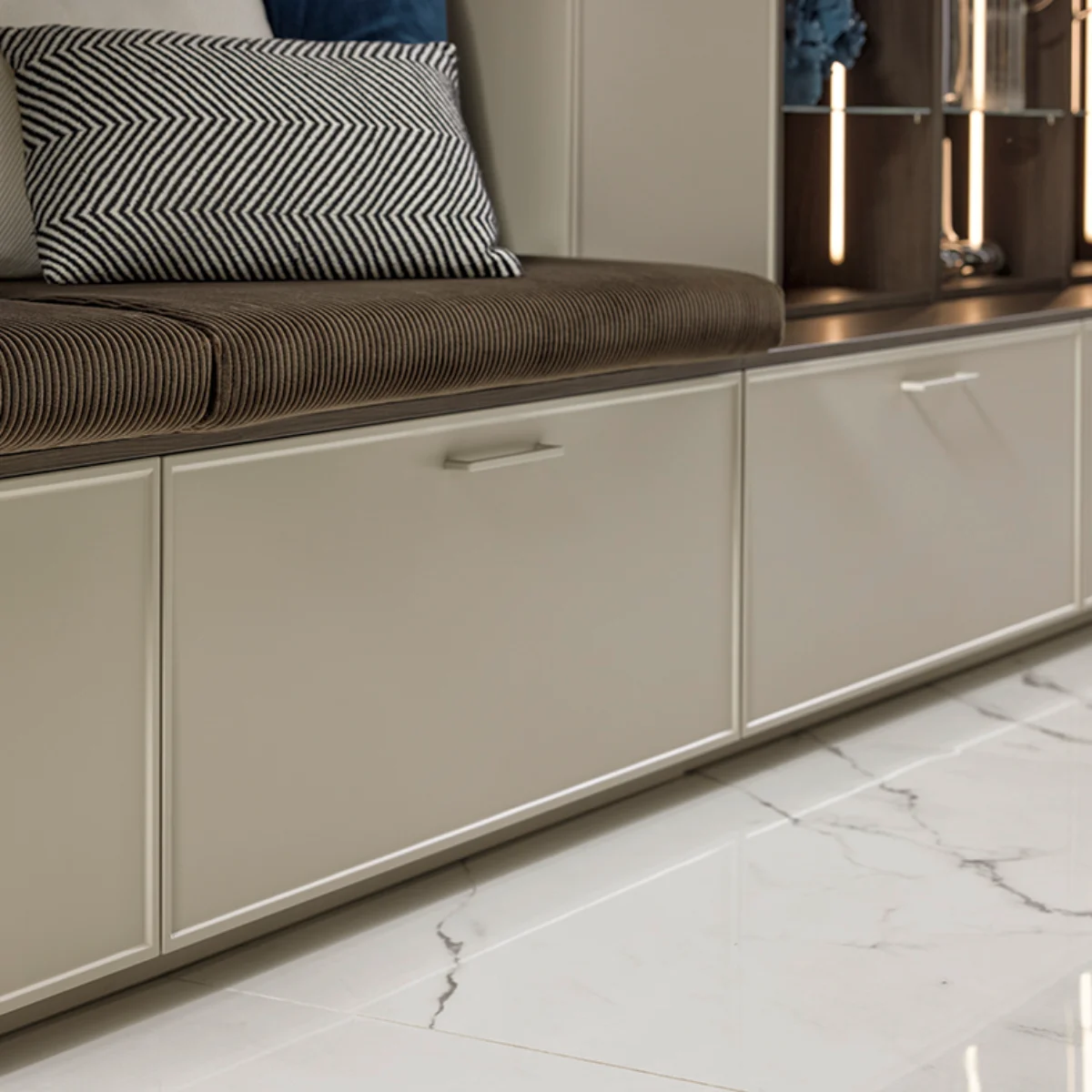
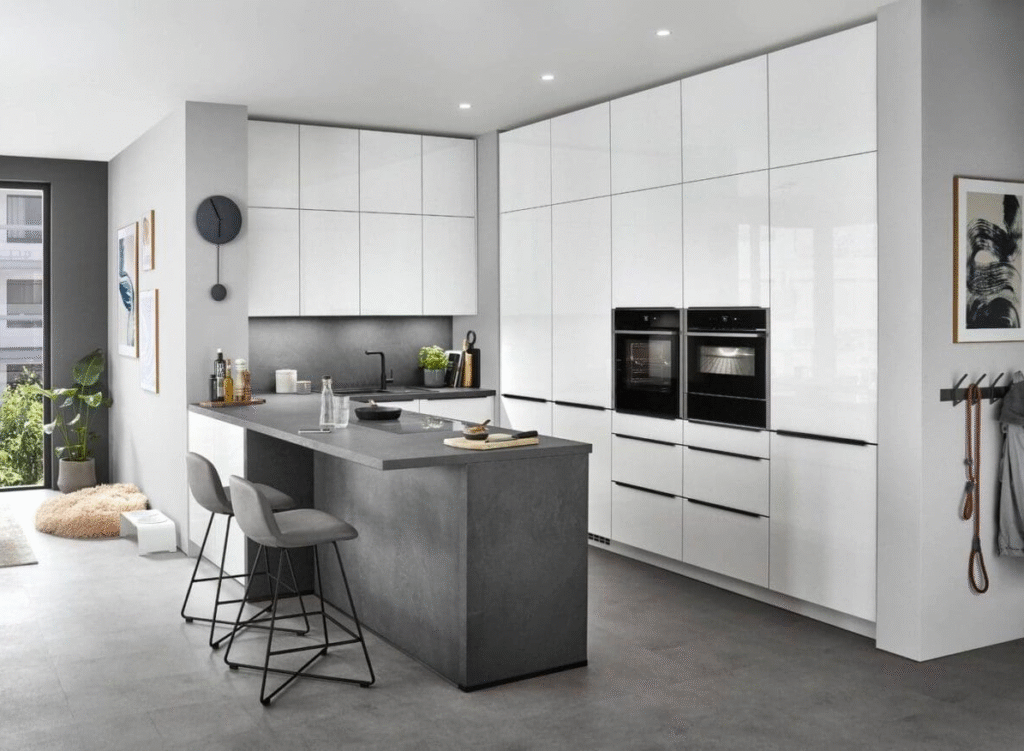
Homeowners are no longer choosing between matte or gloss; instead, they are combining both. Mixed finishes define the most balanced kitchens in 2026.
Gloss surfaces reflect light and make smaller spaces feel brighter. Matte finishes provide texture and resist fingerprints, keeping a clean appearance with minimal maintenance. Designers are pairing matte wall units with high gloss island or using gloss accents on tall units to add depth and contrast.
This works particularly well in open plan homes where the kitchens flow into living areas and provides sophistication without clutter.
Japandi Influence: Calm Precision
The continuously evolving Japandi style is one of the defining design movements of 2026, as it merges Japanese minimalism with Scandinavian warmth to create a space that is both precise and calm.
In this respect, German manufacturers fall into this aesthetic easily as their designs inherently focus on order, balance, and material quality. You can expect neutral colour palettes, natural textures, low profile handles, and uncluttered lines.
In the UK, Japandi kitchens appeal to those seeking simplicity and calm in busy households. Here, neutral tones such as sand, taupe, and soft grey dominate, often paired with subtle wood grain to add warmth.
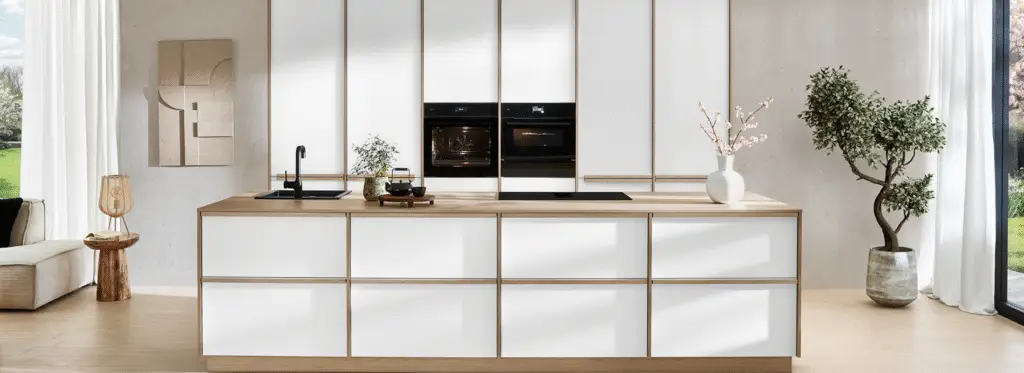
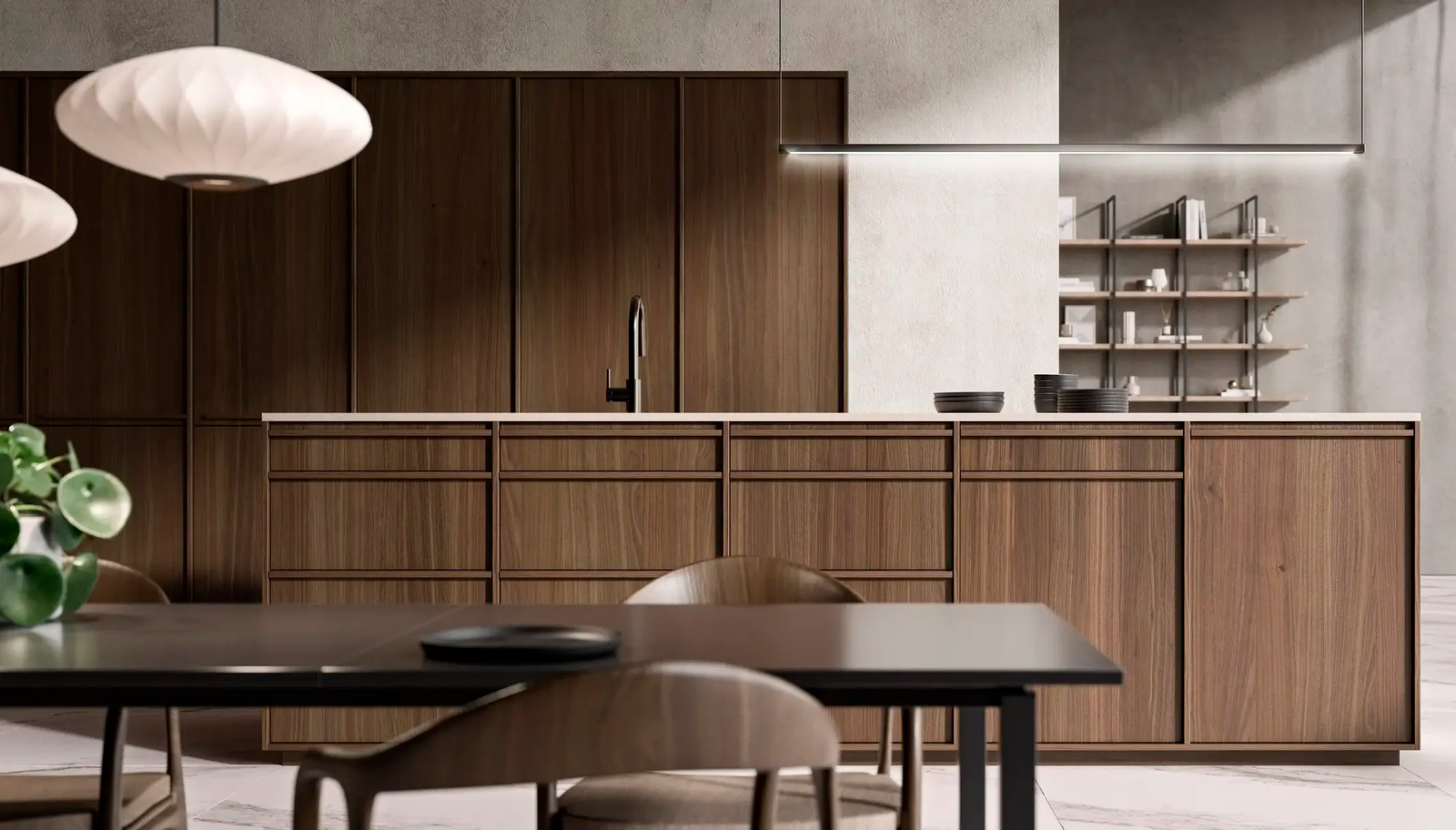
Japandi kitchen with natural wood tones
The Return of Wood finishers
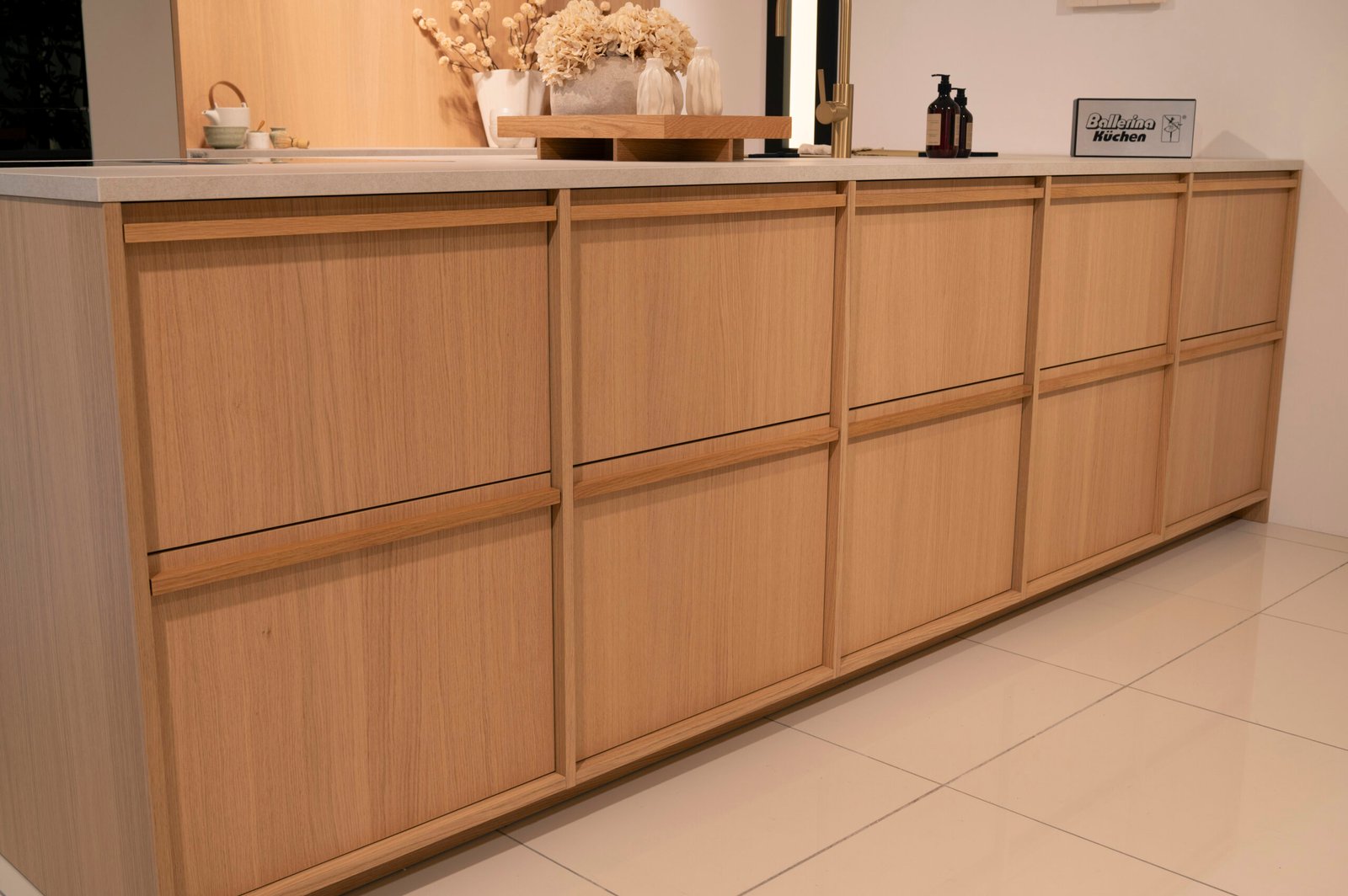
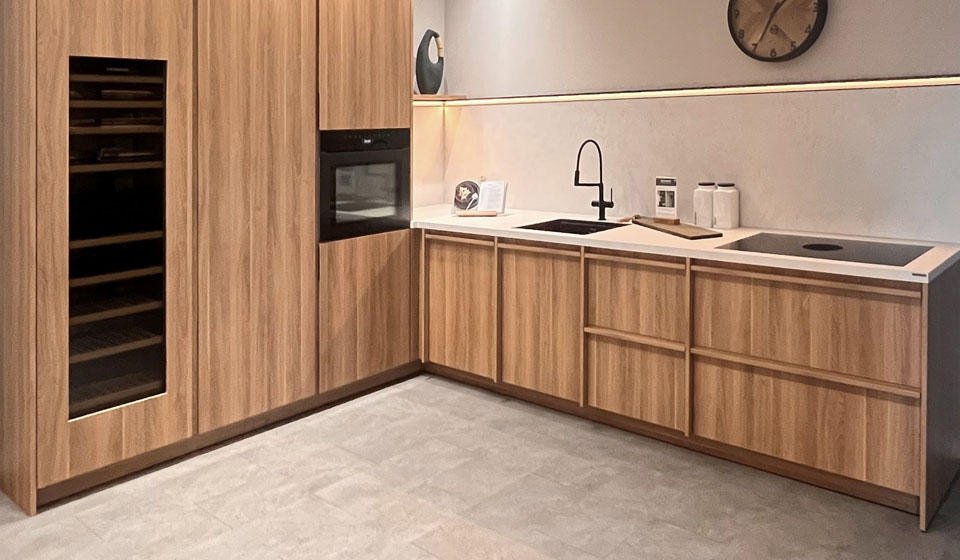
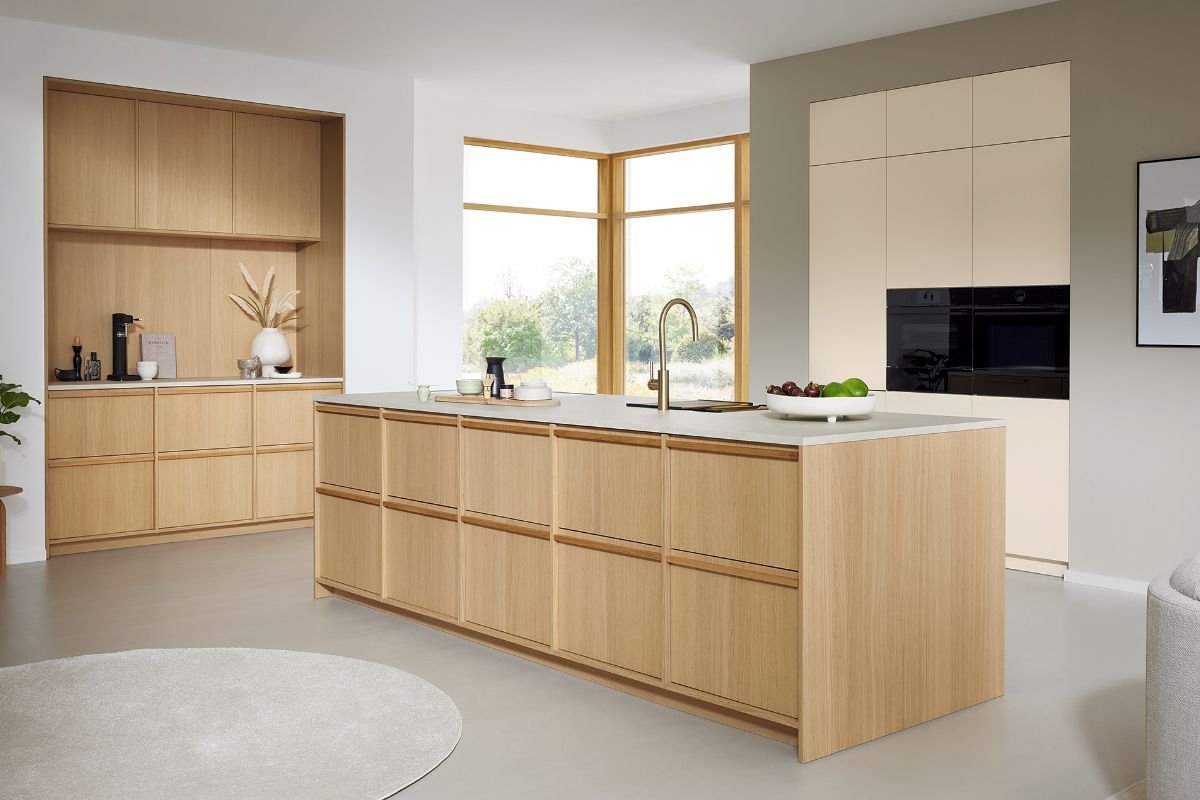
Wood has returned to kitchen design, but in a more sophisticated and modern approach. Oak and walnut are the leading choices, providing visual warmth and durability at the same time.
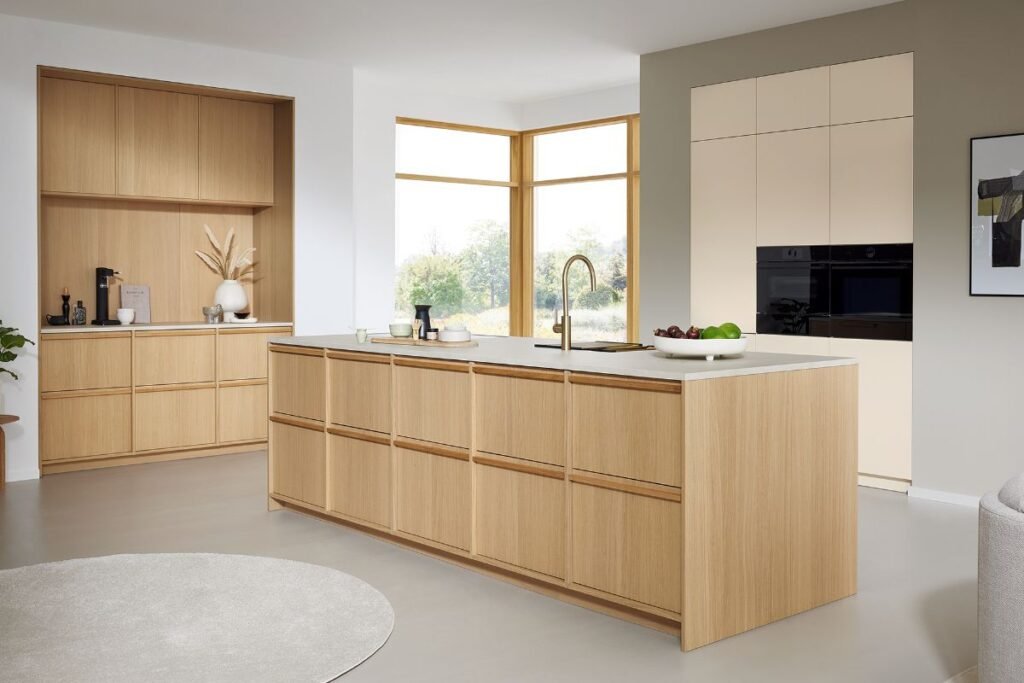
Oak introduces lightness and texture, working well with matte finishes and neutral paint tones. Walnut brings richness, depth, and a sense of luxury. These materials are used throughout cabinetry and open shelving, even worktops, for a continuous natural flow.
The trend extends to “wood drenching”, where one tone is applied throughout an entire space for a cohesive and immersive effect. Sustainable sourcing is a key consideration with German manufacturers favouring FSC certified veneers and high quality laminate finishers.
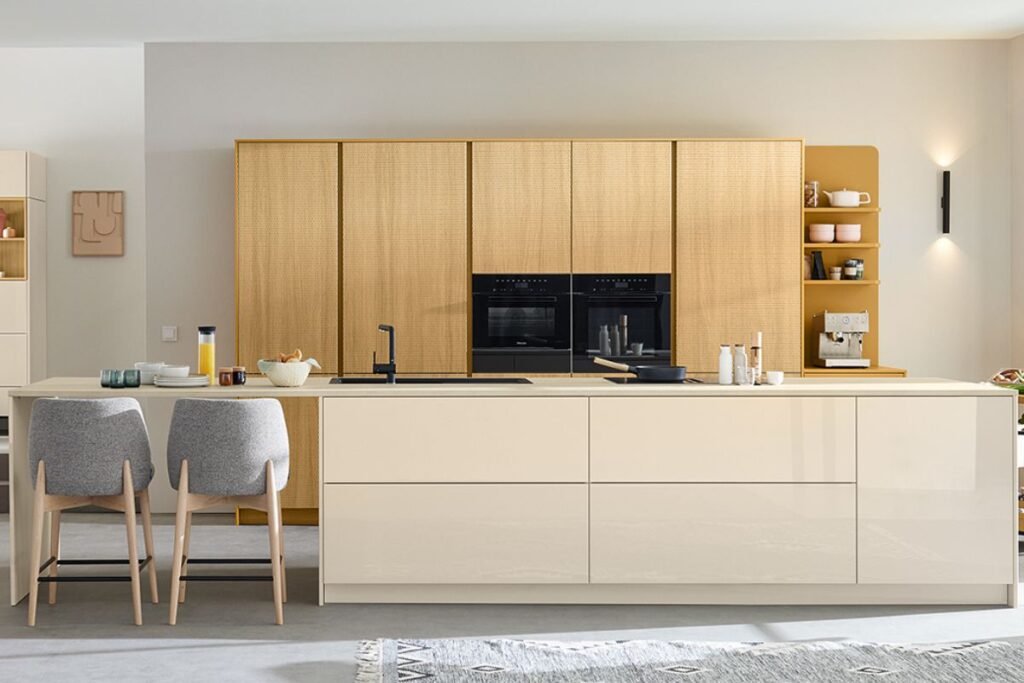
Kitchen showcasing oak and Light matt tone
Intelligent Lighting Systems
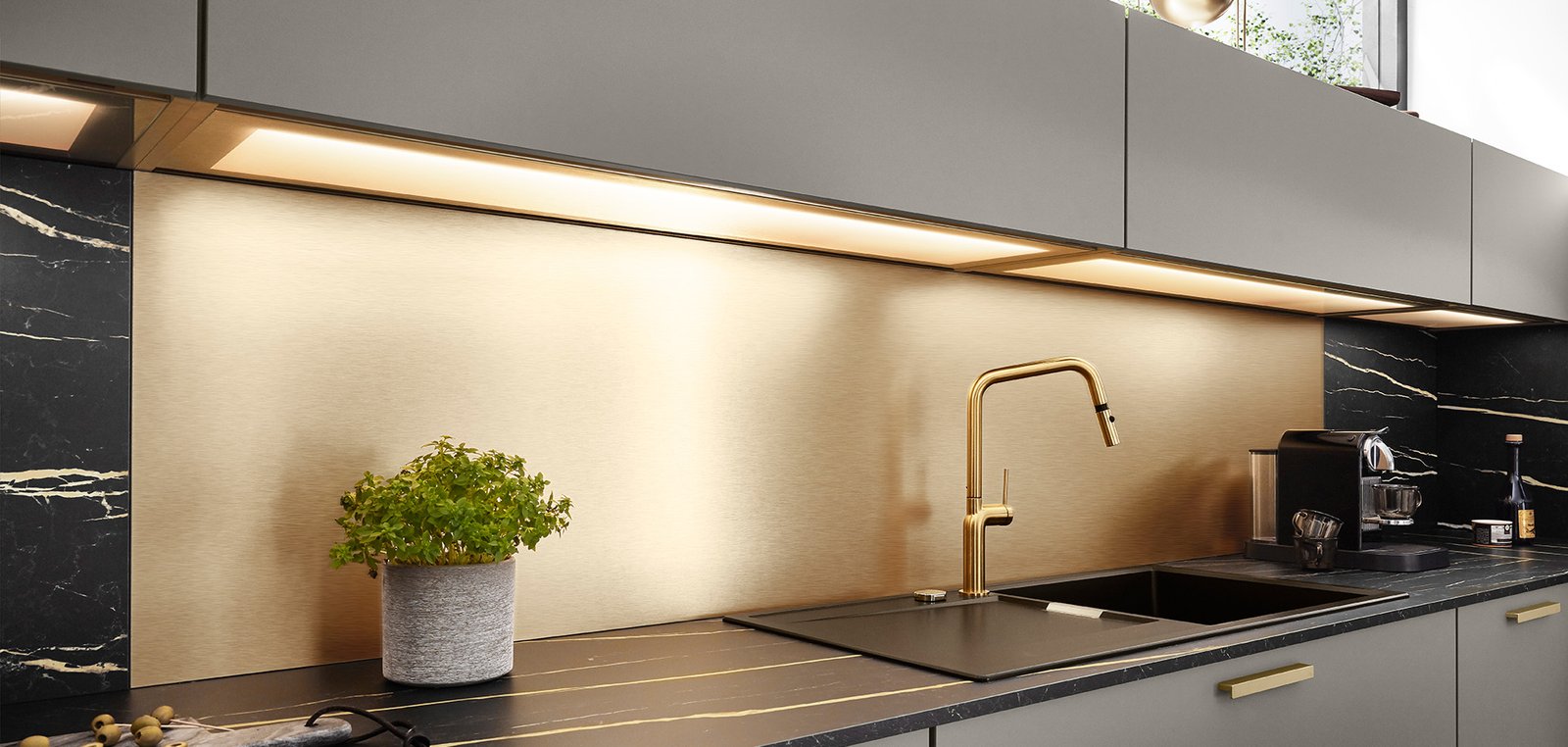
Lighting is now a core design element rather than an afterthought. Most modern German kitchens will have integrated LED systems installed. They facilitate both functionality and mood due to the various layers of illumination.
Key developments include:
Drawer and cabinet sensors which turn on automatically.
Colour temperature is adjustable to shift from bright task light to warm evening tones.
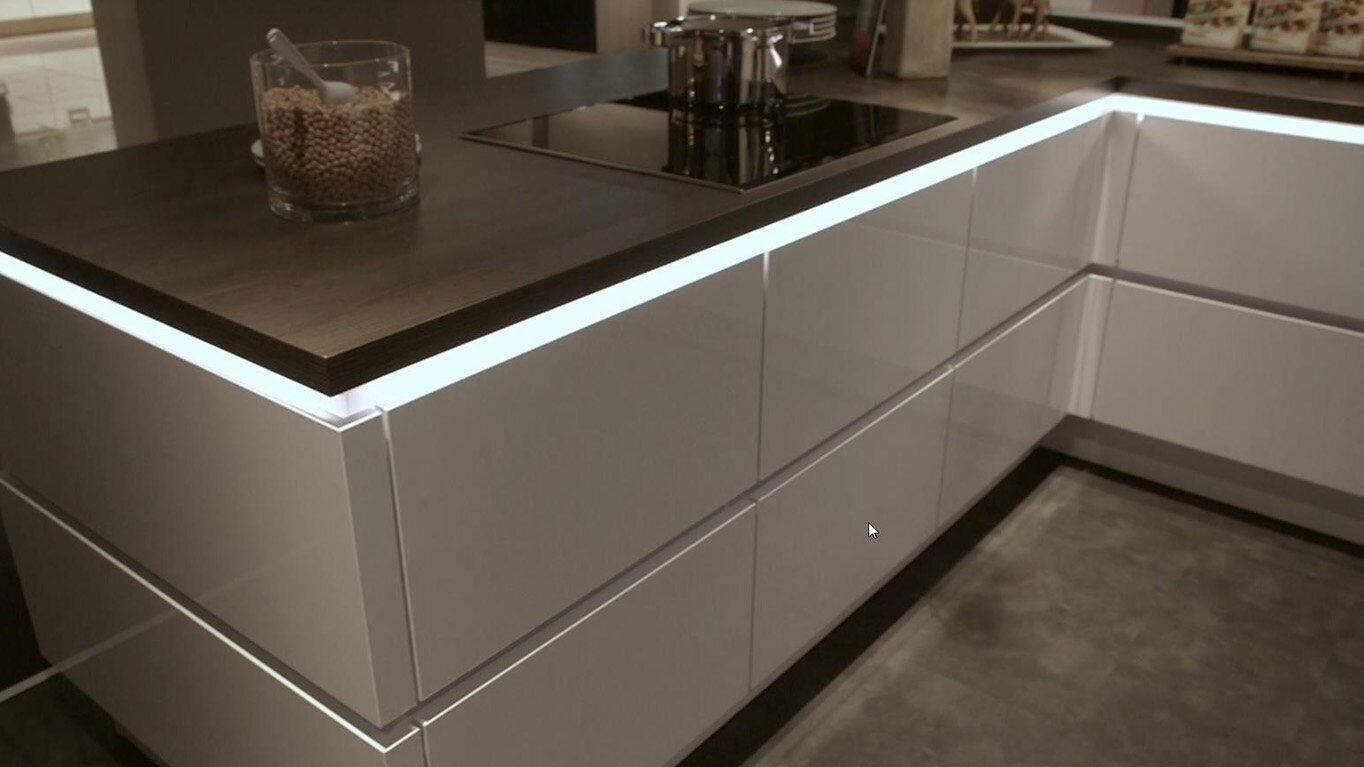
Plinth and under-cabinet strips for atmosphere and safety.
According to recent UK home design reports, the energy-efficient use of LED is likely to increase by more than 25% by 2026, aligning with the growth in the smart-home market. Smart control systems enable users to adjust lighting through an app or voice command for a seamless interaction with the space.
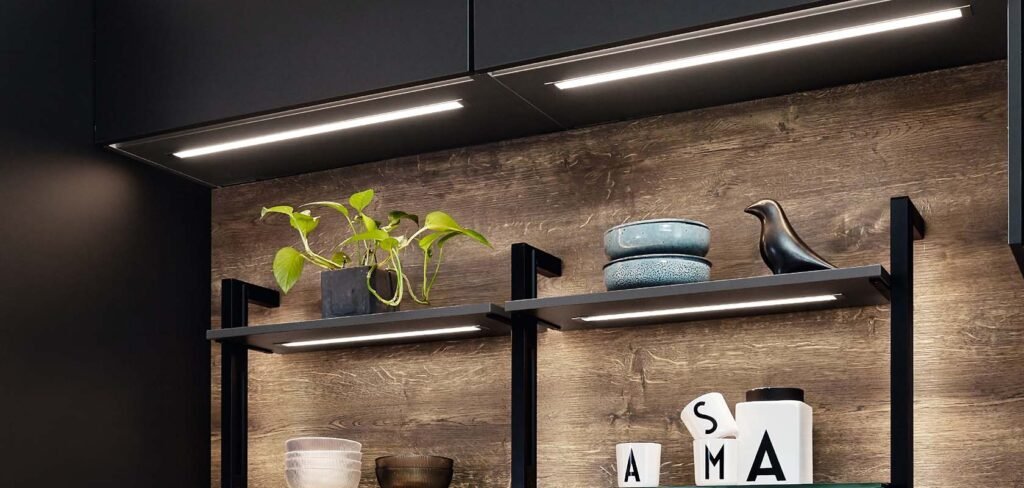
Kitchen with built in under-cabinet
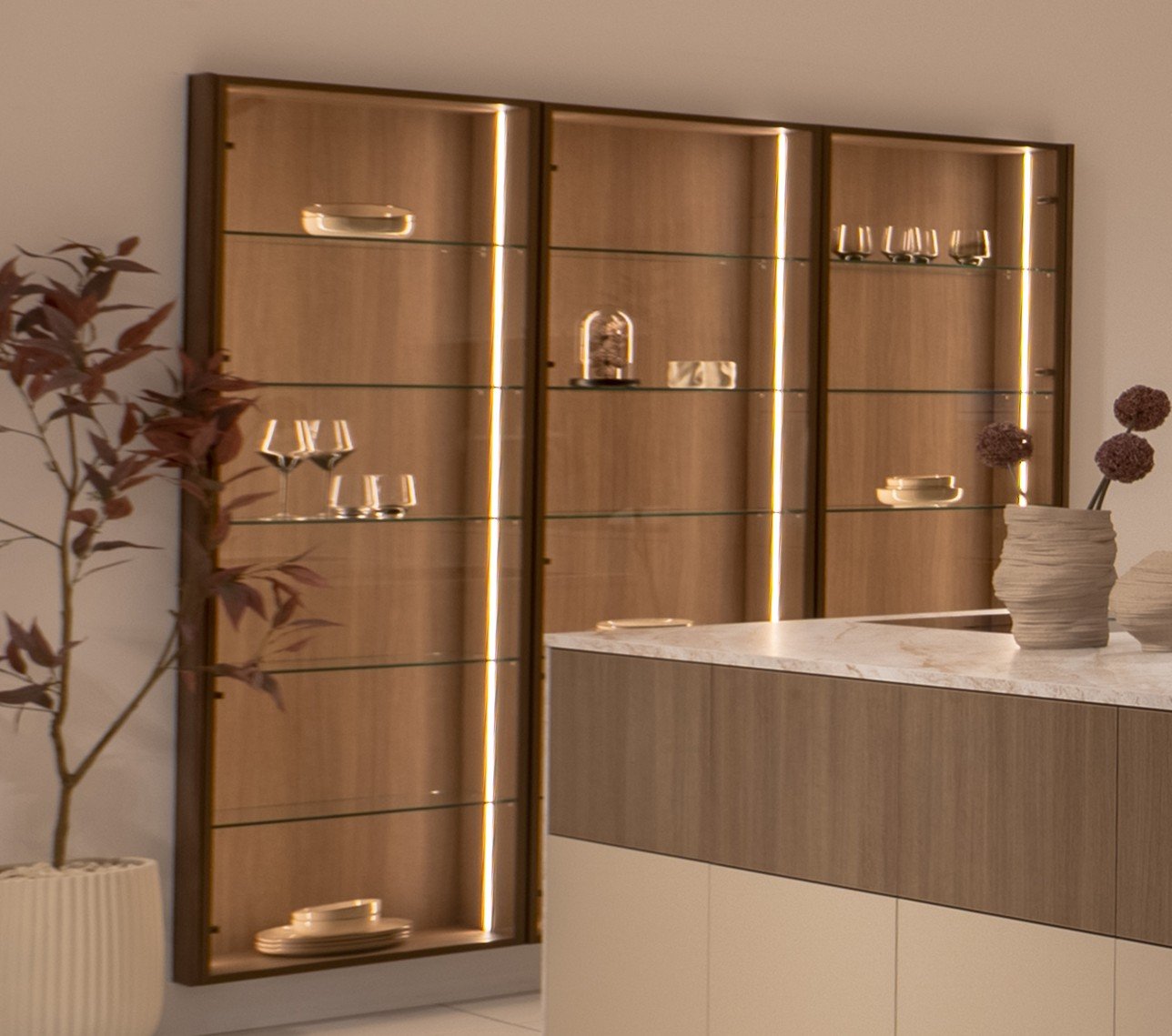
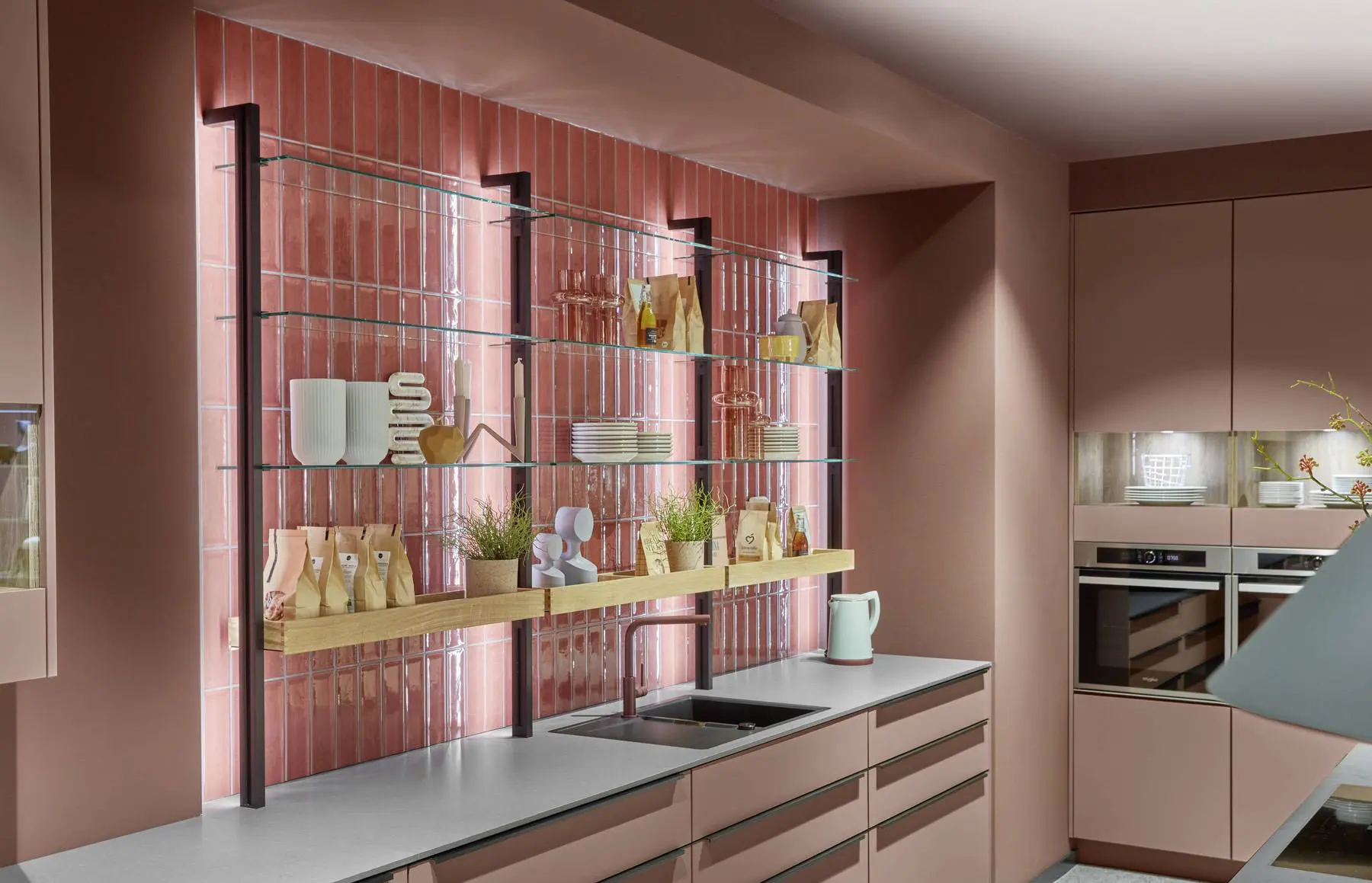
Storage: Pocket and Bi-Fold Doors
Functionality is still at the core of German kitchen design. The latest innovation in this regard has been pocket and bi-fold door systems that allow complete access without occupying floor space.
These mechanisms make it easy to conceal appliances or create “hidden zones” for coffee machines, breakfast stations, or compact pantries. In a closed position, the cabinetry appears uninterrupted, supporting the minimalist look that defines modern German kitchens.
The systems work beautifully and reflect the precision engineering expected from German manufacturing. For smaller or open-plan homes, they provide function and design cohesion.
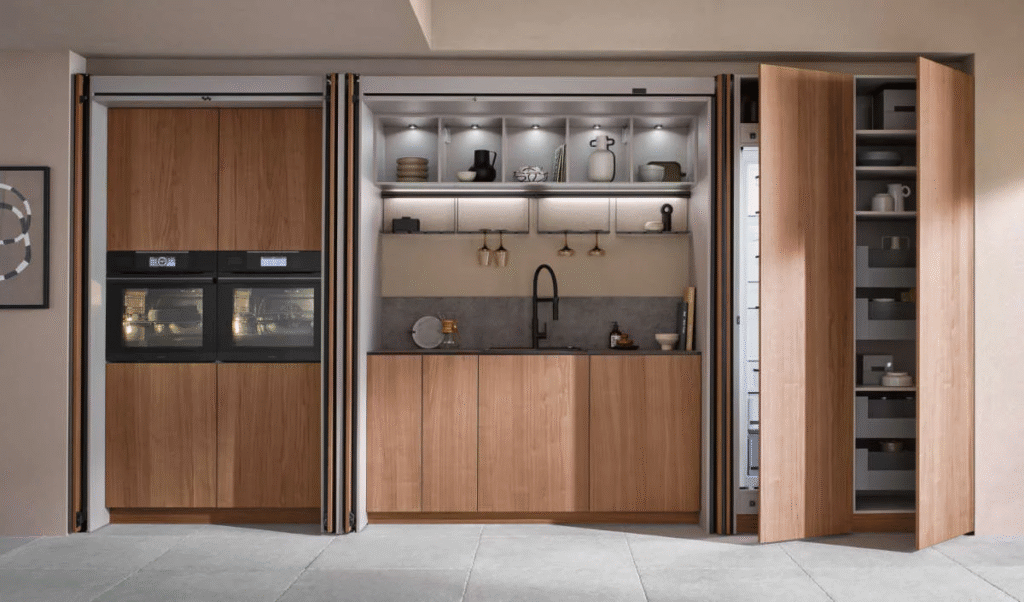
Pocket door kitchen storage with open coffee station
Architectural Details: Smaller Plinths, Varied Heights
Subtle changes in proportion are redefining the profile of the whole kitchen. One of the trends is the downsizing of plinths to 50 mm from what was typically 100–150 mm.
Smaller plinths visually raise cabinetry and make it appear to “float” slightly above the floor. This creates a contemporary aesthetic and works with integrated lighting.
Another shift is the introduction of multiple cabinet heights. Designers can mix worktops at 850 mm for prep, 900 mm for cooking, and 1100 mm for breakfast bars. These variations create visual rhythm and improve ergonomics through adaptation to different activities.
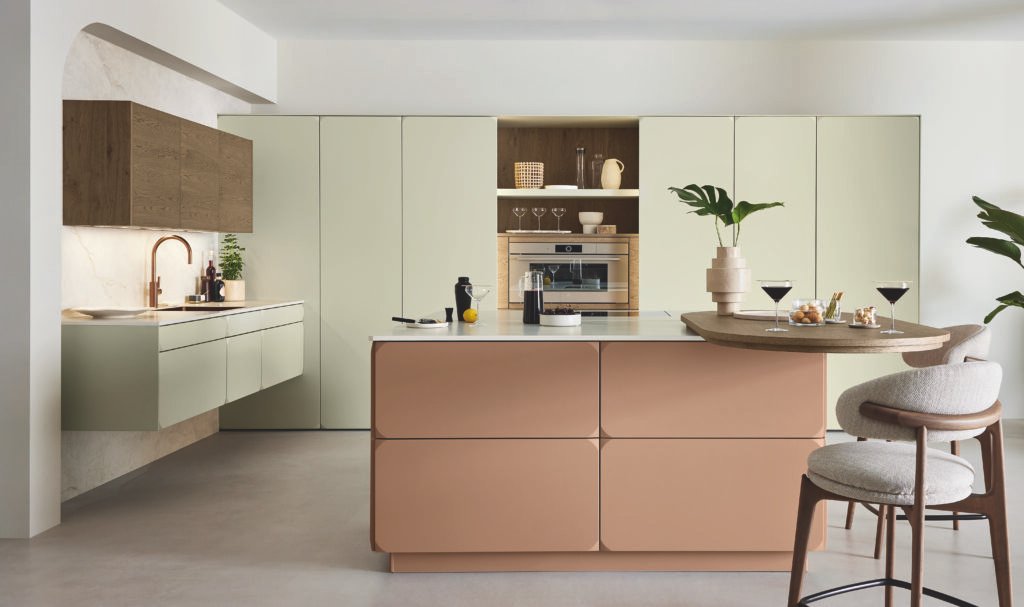
Modern kitchen with smaller plinths and multi-height counters
Two-Tone and Layered Color Schemes
Two-tone kitchens have robust momentum and continue to evolve away from high contrast. It’s all about subtle tonal layering. Designers are favouring combinations such as charcoal with mid-grey, or warm sand with oak.
This layered look enables personalization without the loss of elegance. It also works well with both matte and gloss finishes, creating a calm but visually engaging environment.
Colour psychology also plays a role: warm neutrals promote comfort; muted greens and blues connect with nature. The palette of 2026 is earthy, balanced shades that age gracefully.
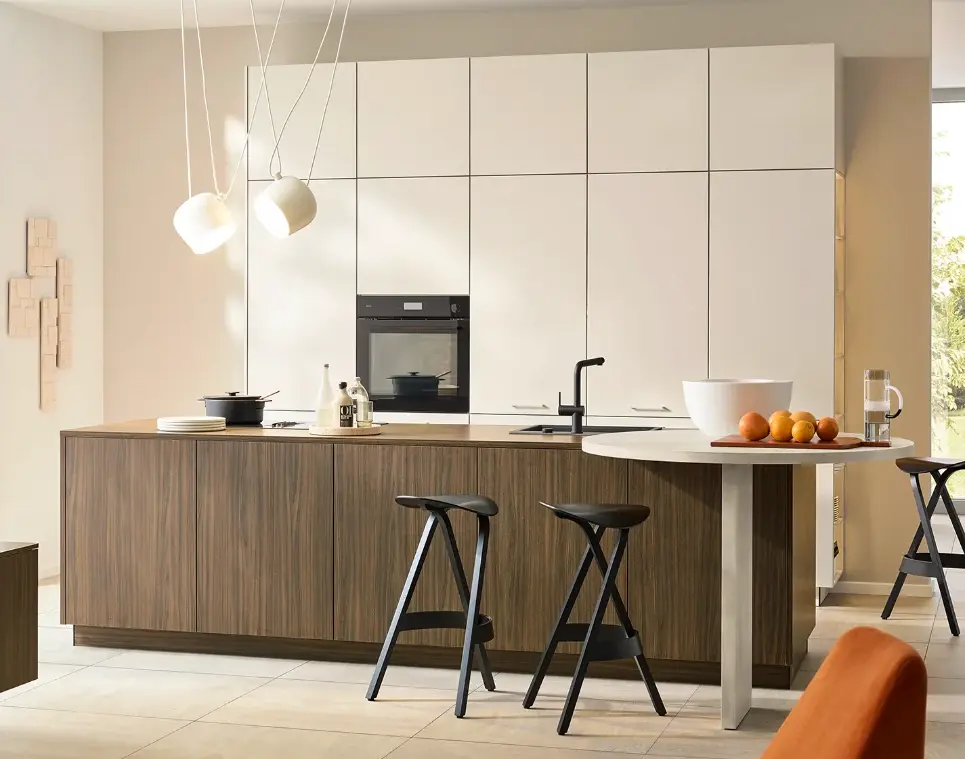
Two-tone kitchen with contrasting island colour
Textured and Ribbed Surfaces(fluted)
Texture really brings depth and character to the modern kitchen. Fluted, ribbed, and grooved surfaces are very on-trend, especially on island fronts and tall unit panels.
These finishes catch the light beautifully, adding depth to monochrome spaces. With soft lighting, they create visual movement without overpowering the room.
Materials like brushed metal, reeded glass, and textured laminates are used for highlighting select areas rather than dominating the whole design. This attention to surface quality is typical of German precision craftsmanship.
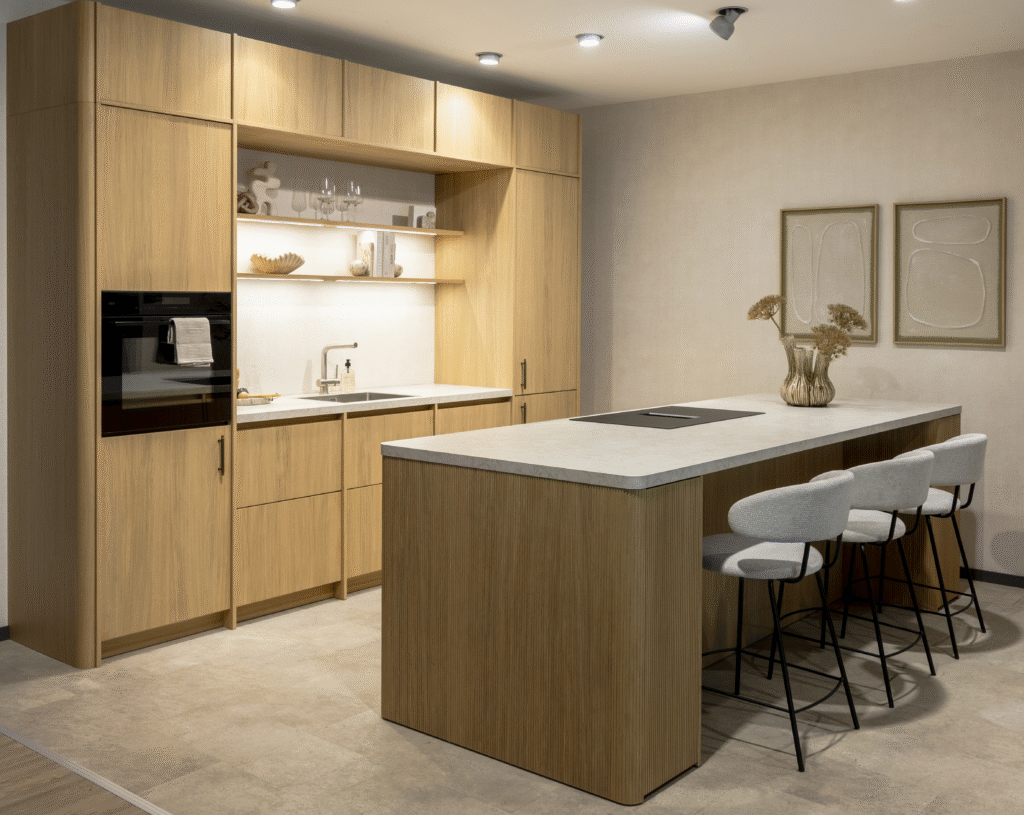
Ribbed island front detail in modern kitchen
Market Context: German Kitchens in the UK
According to the latest import and retail data, German kitchens still lead in the UK’s premium market segment, while their reputation for reliability and accuracy of design keeps demand high.
Reports for 2025 indicate that more than 40% of UK homeowners browsing premium kitchens consider German engineered products first. This interest is likely to increase through 2026 as consumers increasingly favour functionality and clean design over purely decorative styles.
German kitchens are often selected for their modular flexibility, precise manufacturing standards, and timeless appearance. These attributes align with UK homeowners seeking investment grade interiors rather than short-term trends.
Designing with Longevity in Mind
The strongest message from the design exhibitions in 2026 is longevity. Every aesthetic and technical innovation aims to improve daily use and extend product life.
Homeowners are moving away from showpiece designs and into kitchens that feel natural, tactile, and easy to live with. The combination of smart lighting, flexible storage, durable surfaces, and balanced proportions yields spaces that remain relevant well beyond a trend cycle.
Final Thoughts: German kitchen trends for 2026 demonstrate a path toward harmony between material and function, beauty and practicality. The watchword is clear: sophisticated simplicity underlined by premium engineering. For UK homeowners planning a new kitchen, these developments bring fresh inspiration rooted in quality and purpose. Whether through tactile wood finishes, intelligent lighting, or clean architectural lines, 2026 promises thoughtful, efficient, enduring spaces.