
Ovens.
Find your setup.
An oven looks simple until you start comparing models. Size, capacity, heating modes, and cleaning systems all change the day-to-day experience. Your kitchen layout matters too. A tall housing column suits a single oven, a compact oven stack, or an appliance tower. An under-worktop run often suits a built-under single or double oven.
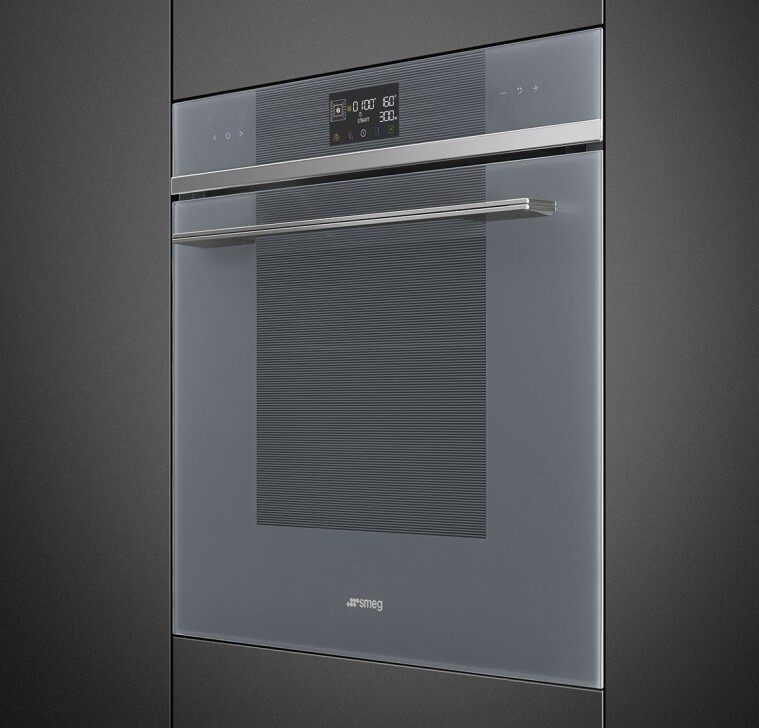
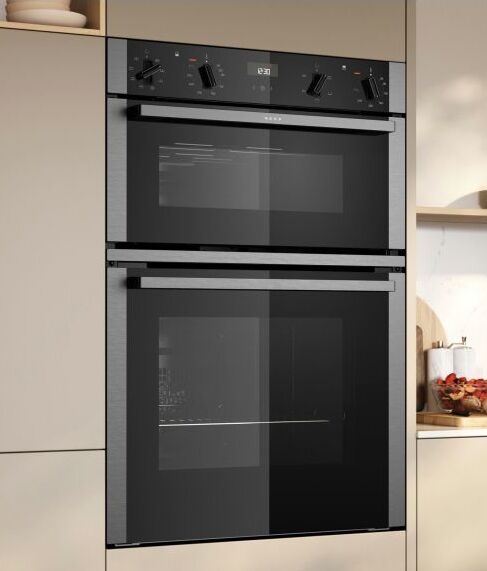
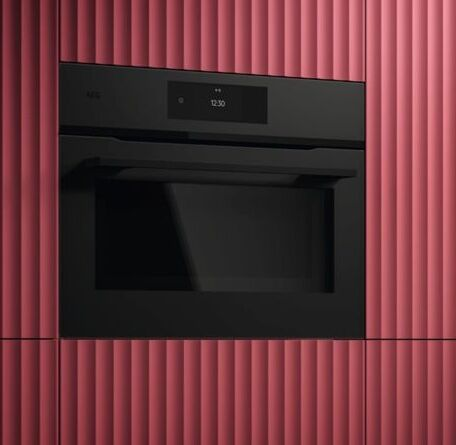
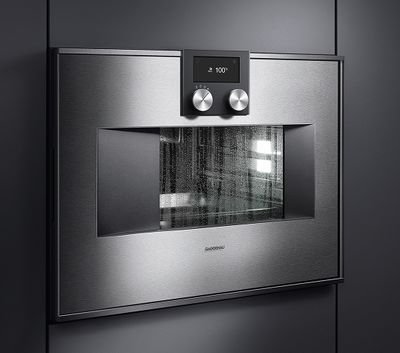
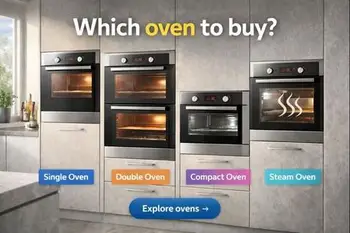
Start with the oven type. Single ovens suit most households and fit the standard 60cm built-in space. Double ovens add two simultaneous temperatures in one appliance. Compact ovens save height and often combine with microwave or steam functions in a tower. Steam ovens add moisture control that changes the quality of reheating, fish, vegetables, and bread — available in both full-size 60cm and compact 45cm formats.
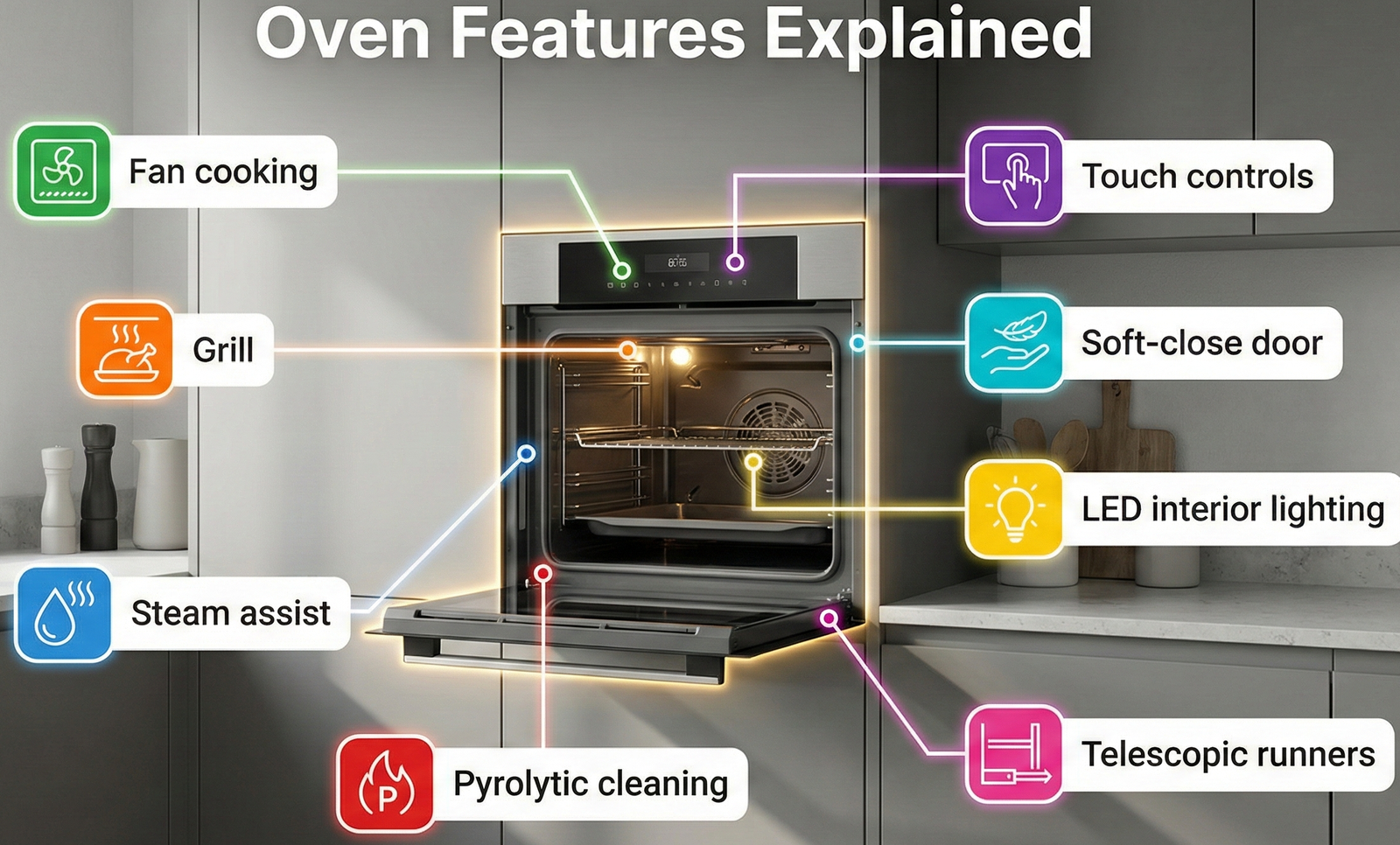
Then check the practical details. Look at usable cavity dimensions rather than headline litres alone, shelf positions, control style, and cleaning system. Confirm the electrical setup before ordering. Most built-in ovens need hardwiring to a dedicated circuit. Some connect on a 13-amp plug. Measure the housing niche and ventilation gaps before you choose the model.
and steam.
Each guide covers everything you need for that oven type: sizes, installation, heating modes, cleaning systems, finishes, UK costs, and the pre-purchase checklist.
right oven.
Follow these four steps in order. Most buying mistakes happen when step one or two is skipped.
The Which Oven? guide covers all four formats in a single comparison, a five-question decision tool, and appliance tower configurations for every combination. Read it before shortlisting models if you are still deciding between formats.