
German Kitchens In Plain Language
You hear a lot about German kitchens in the UK. Strong cabinets. Precise lines. Long guarantees. For a first time buyer this often feels vague and confusing.
This guide breaks the subject into simple sections such as cabinet heights, plinths, widths, build quality, interior options and long term value. You can use it with any showroom, designer or retailer.
Read this before you sign a kitchen order form.
1. Heights And Grids
Most German manufacturers work with a grid system. The cabinet height divides into equal units. Drawers and doors then follow this rhythm.
Typical German base unit heights
- Standard UK base unit height often sits around 720 mm plus plinth
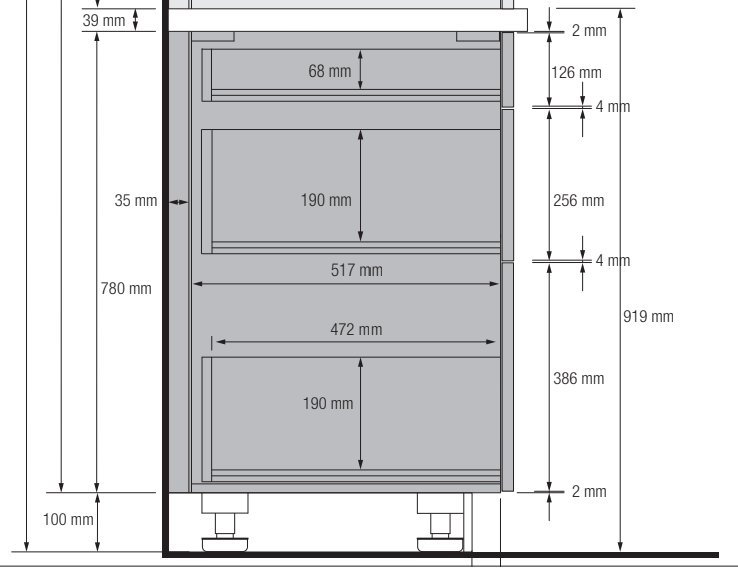
- Common German options include taller carcases such as about 780 mm or 792 mm
- Taller carcases paired with a lower plinth create more usable internal space without a taller worktop
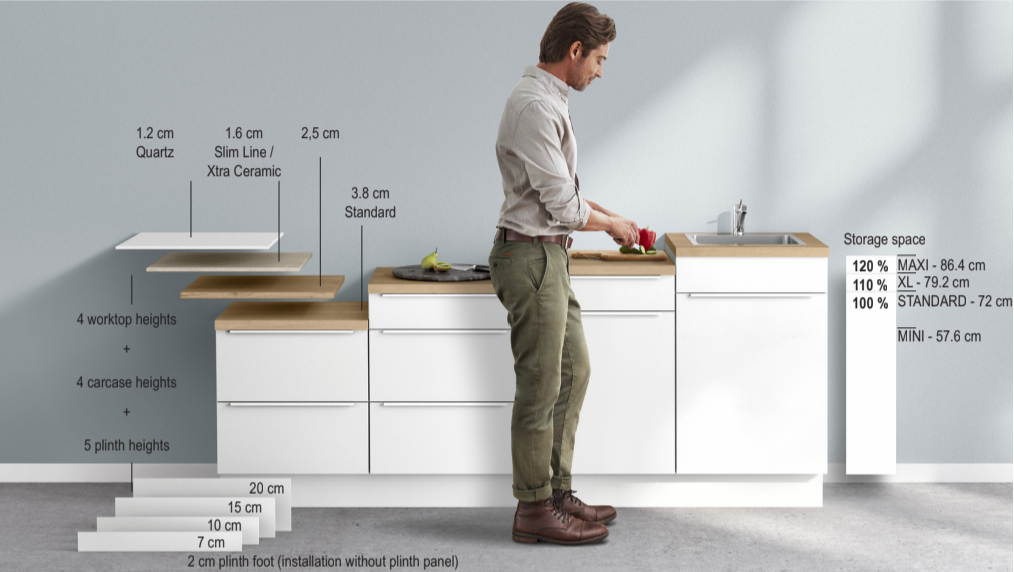
Why the grid matters to you
- More storage in the same footprint, useful in smaller UK homes
- Neater alignment of drawer fronts, oven fascias and tall units
- Easier planning for symmetry around hobs, sinks and islands
- Smoother upgrades later, as new internals follow the same grid
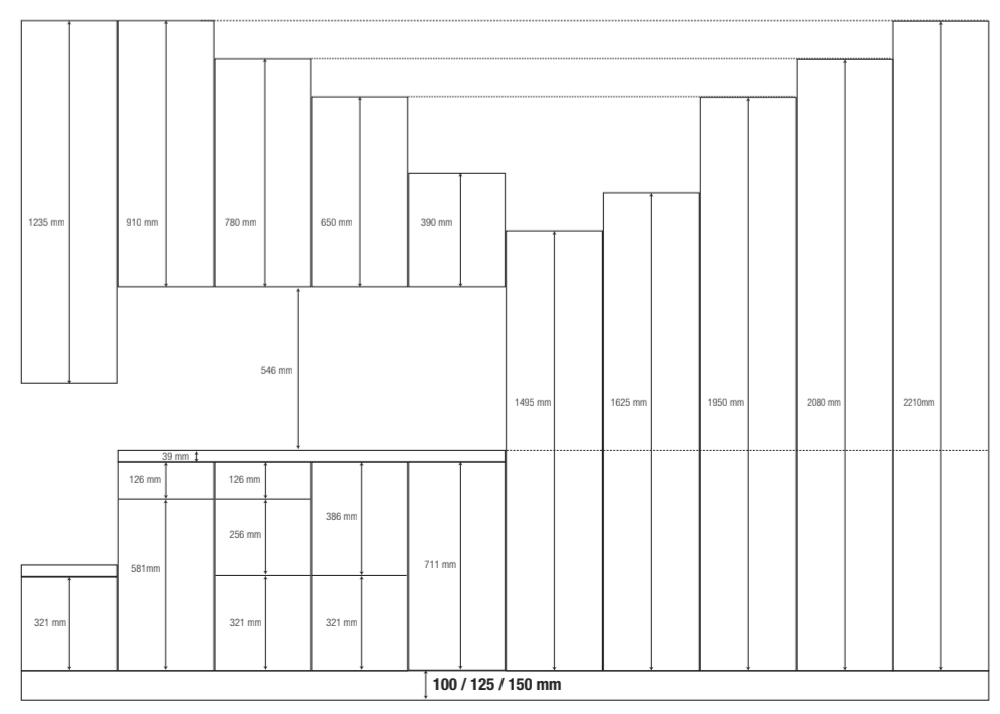
Ask the designer which grid height they suggest for your height and whether the worktop height will feel comfortable for everyday cooking.
2. Plinth Heights From 20 mm To 200 mm
Plinths are the kickboard pieces that lift the cabinets off the floor. German ranges often offer plinths from around 20 mm up to 200 mm.
Low plinths
- Popular sizes include 20 mm to 100 mm for modern, built in looks
- Give you taller cabinet bodies and more internal storage
- Suit level, well prepared floors
Higher plinths
- 120 mm to 200 mm works well in older homes with uneven floors
- More adjustment for levelling the run
- Useful for users who prefer a slightly lower worktop height
Ask for a side view of your plan that shows cabinet height, plinth height and worktop thickness. This helps you picture the final working height.
3. Widths And Options From 150 mm To 1200 mm
German kitchen ranges usually offer a wide ladder of widths. These often start at 150 mm and extend up to 1200 mm for some cabinets.
- 150 mm to 300 mm units for tray pull outs, spice racks and fillers
- 400 mm to 600 mm units for everyday drawers and standard appliances
- 800 mm to 1000 mm wide drawers for large pans and crockery
- Up to 1200 mm units in some ranges for feature islands or big pull outs
More width options reduce wasted filler panels and give you better use of every centimetre of wall space.
4. Cabinet Built Quality
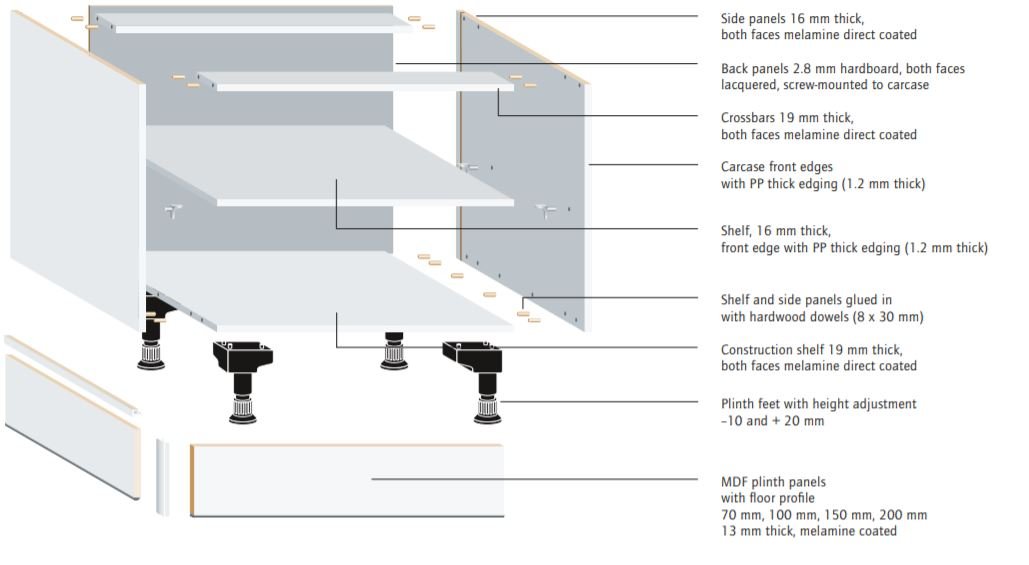
German kitchen factories focus on repeatable, machine led production. Many brands work to strict quality marks such as the German Golden M, the Furniture made in Germany label and the GS mark for tested safety.
What you often get as standard
- Full 18 mm cabinet construction on sides, top and bottom in many ranges
- Factory glued dowels and backs set into grooves for strength
- Soft closing drawers and hinges from recognised hardware suppliers
- Pre drilled fixing points for tidy, repeatable fitting
What this means for daily life
- Doors stay aligned for longer with fewer visible gaps
- Drawers run smoothly under heavy loads
- Cabinets stay square, which supports worktop joints and appliances
- Moisture resistance and edge sealing help against steam and spills
If build quality matters to you, ask which boards, thicknesses and edge treatments your chosen range uses, then compare these with a basic flat pack range.
5. Colour Choice Up To Thousands Of Options
Across the German market you see everything from compact colour ranges to systems with over 4,500 colour and finish combinations. The exact number depends on the manufacturer and door material.
Types of finish you might see
- Melamine and laminate doors in plain colours, woodgrains and stone looks
- Matt lacquer and high gloss lacquer in RAL style shades
- Textured doors that mimic metal, concrete or timber
For you this means real freedom to match floors, worktops, wall colours and appliances without feeling forced into one of a few stock shades.

6. Service Gap And Wall Gaps
Service gaps are the spaces behind or beside units for pipes, electrics and walls that are not straight. German systems handle these spaces in a structured way.
- Standard voids behind base units for pipework and cables
- Filler panels and scribes that match the doors for neat side gaps
- Tall units designed to stop short of the ceiling so the fitter trims infills
Good use of service gaps helps your installer hide services while keeping doors and drawers clear of handles, radiators and other obstacles.
7. Choice Of Drawers
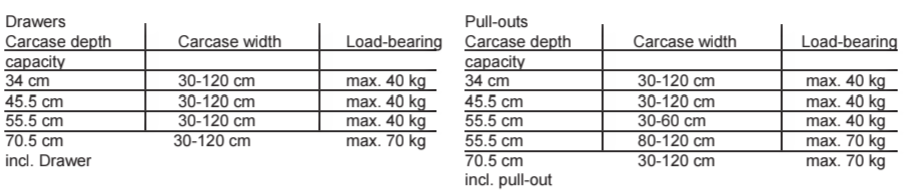
Drawers carry a lot of weight in a modern kitchen. German manufacturers often offer several drawer depths and internal options.
Drawer options to look for
- Full extension runners so you see the whole contents
- High sided pan drawers for pots and pans
- Internal drawers hidden behind a door front
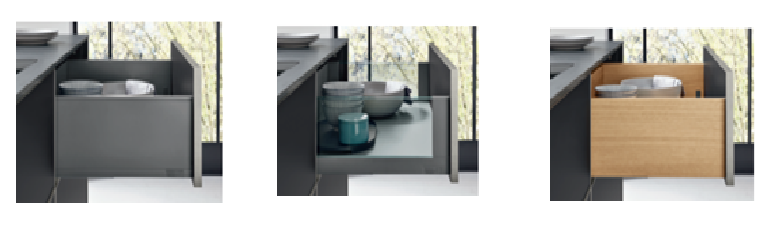
- Glass or metal sided drawers for a premium look
Accessories inside drawers
- Cutlery inserts tailored to the drawer width
- Plate holders and peg systems for stacks of crockery
- Anti slip mats for glassware
- Dividers for spices, jars and packets
Open and close the showroom drawers with weight inside. This gives you a better feel for how the system will behave at home.
8. Interior Carcass Colours
Many English flat pack ranges offer white interiors only. German kitchens often give a choice of interior colours, though the list varies by brand.
- Classic white interiors for a clean, bright look
- Light grey or stone interiors for a softer feel
- Woodgrain interiors that match or contrast with the doors
- Dark interiors in some premium ranges for a luxury feel
Matching interiors help the kitchen feel more designed and less boxy when you open doors and drawers.
9. Concealed Wall Unit Hanging Systems
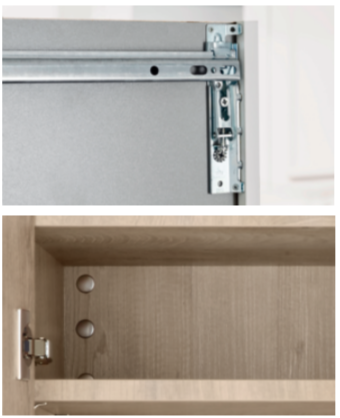
German wall units usually use concealed hanging brackets. These sit inside the cabinet, behind cover caps in the same colour as the interior.
- No visible metal hanging plates on the outside of the cabinet
- Adjustments for height and depth from inside the unit
- Strong brackets designed to carry heavy crockery and glass
This gives you cleaner lines, easier tiling and peace of mind about load bearing on plasterboard or stud walls when the fitter follows the fixing guidance.
10. Costs And Long Term Value
German kitchens sit at different price levels, from entry ranges to high end names. You pay for cabinet quality, finish, hardware and custom options.
Where value often shows
- More storage per metre because of taller cabinets and better widths
- Better door and drawer alignment over time, which keeps the kitchen looking new for longer
- Fewer remedial visits for failing hinges or swollen chipboard
- Higher resale appeal when you sell or let the property
Ask your designer for price comparisons between a basic English style range and a German range at similar layout and appliance level. Look at what you gain in storage, finish and hardware for the difference in cost.
11. German Awards And Certifications
Independent quality marks give you extra reassurance. Several German furniture bodies test cabinets for strength, durability, emissions and safety.
- Golden M quality mark from Deutsche Gütegemeinschaft Möbel for tested furniture quality, safety and health standards
- GS mark for tested safety under the German product safety law
- Furniture made in Germany label which confirms design, assembly and quality testing in Germany
Not every cabinet range holds every label, so ask which certificates apply to the range you are viewing and what each mark covers. Awards And Certifications
12. Different Types Of Glass Units
German systems offer many ways to use glass in doors and wall units. This helps you break up solid runs of doors and show favourite items.
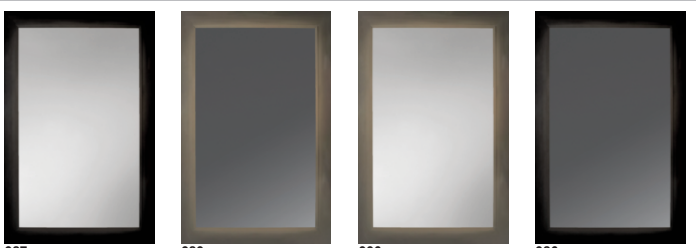
- Framed glass doors with clear, smoked or frosted glass
- Aluminium framed glass doors for a lighter, modern look
- Full height glass display cabinets for dining and living spaces
- Open shelves backed with glass or lit panels
These options often link with integrated lighting, so you gain both display and mood lighting on one circuit.
13. Smart Technology
German kitchens often integrate simple smart features into the furniture, not only the appliances.
- LED strip and spot lighting built into cabinets and recesses
- Motion sensors in larder units and pull outs
- Charging points and sockets inside drawers or wall units
- Servo style opening systems for handleless doors and drawers
These features support modern habits such as tablet use for recipes, charging phones in safe spots and working from the kitchen island.
14. Customisation Within A System
German kitchens follow a system, yet within that system you still shape the design to your room and lifestyle.
Design choices
- Door styles from ultra modern to more classic, in many colours
- Handleless, handled and mixed handle layouts
- Different plinth heights and worktop thicknesses
- Split levels for breakfast bars and desks
Practical tailoring
- Adapted heights for tall users or multi generation households
- Accessible storage near ovens, dishwashers and fridges
- Internal organisation for hobbies such as baking or coffee
- Linking kitchen runs with living room sideboards and media units
Bring a simple list of your daily routines to the design meeting. Ask the designer to show how the system supports each habit.
15. Are German Kitchen Cabinets Built Differently To English Units?
Yes, in most cases there are clear differences. Some English manufacturers now offer similar specifications, yet the typical mass market English flat pack cabinet still differs from a typical German system cabinet.
Typical English flat pack cabinet
- Often 15 mm or 16 mm board with cam and dowel fittings
- Cabinet assembled on site by the fitter
- Limited heights and widths, more filler panels
- White interior only in many ranges
Typical German system cabinet
- Often 18 mm board with glued dowel construction in the factory
- Rigid cabinet delivered assembled
- Structured choice of heights, widths and depths
- Multiple interior colours and matching accessories
Both approaches deliver a working kitchen. German cabinets focus more on precise repetition, storage efficiency and long term alignment. English units often score on upfront price and quicker local availability.
Quick Questions Before You Decide
Is a German kitchen always more expensive?
Entry level German ranges sometimes sit close to mid range English prices, especially for simple layouts. Higher specification German ranges with lacquer, glass and many internal extras often cost more. The key question is whether the extra storage, finish and longevity feel worth the difference for your household.
Do German kitchens suit small UK kitchens?
Yes. Taller cabinets and better width options often help small galley or L shaped kitchens. You gain more storage without needing extra walls.
What should I ask a showroom about German kitchens?
Ask which cabinet height and plinth height they propose, which drawer system they use, which quality marks the range holds and how many interior colour and glass options exist. Ask for a price comparison against a simpler range so you see the value difference clearly.
Do I need a pure German kitchen for quality?
Not always. Some UK made kitchens use strong, high quality construction as well. The goal is to understand specifications, not only the origin label. This guide helps you ask better questions for either route.