
Fifteen materials.
One honest guide.
The worktop is the most-used surface in a kitchen. It takes heat, impact, water, and daily cutting. It defines the visual character of the room more than almost any other element. The right material depends on how you cook, not how a showroom wants to sell to you. This guide covers all fifteen worktop materials available in the UK market, split into natural materials and engineered or manufactured surfaces, with honest assessments of durability, maintenance, and cost.
Kitchen Selections holds no commercial relationship with any worktop supplier or retailer. No manufacturer has reviewed or approved any content here. Every guide is written to help you make a better-informed decision, including the ones pointing out where a material falls short. The Concrete guide covers cast vs precast production, sealing, weight, integrated sinks, and a full comparison with porcelain.
Natural materials are quarried or harvested and arrive as unique, unrepeatable pieces. No two granite slabs or solid wood planks share identical grain, colour, or mineral patterns. Most natural stones are porous to varying degrees and require periodic sealing. Solid wood requires regular oiling. Performance varies significantly between materials.
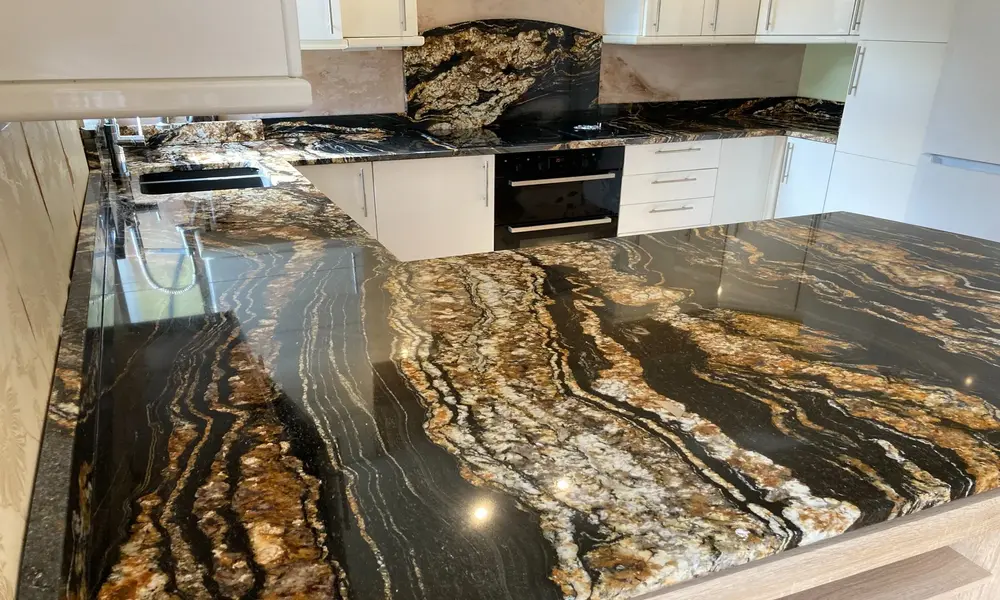
One of the hardest natural stones available for kitchen use. Excellent heat and scratch resistance when properly sealed. Each slab is unique. Requires sealing on installation and periodically thereafter to maintain stain resistance.
Read Guide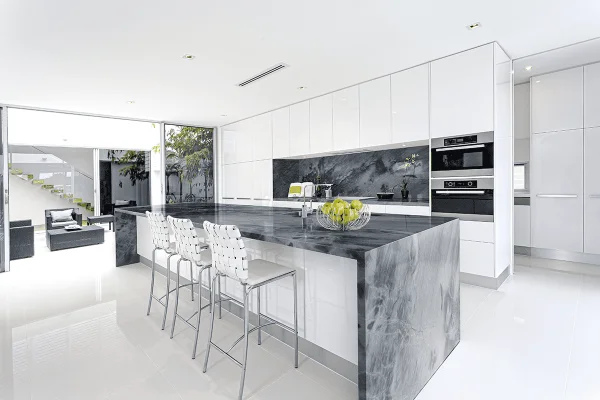
A metamorphic natural stone formed from sandstone under heat and pressure. Often confused with quartz. They are entirely different materials. Harder than marble with striking crystalline veining. Requires sealing and careful acid avoidance to prevent etching.
Read Guide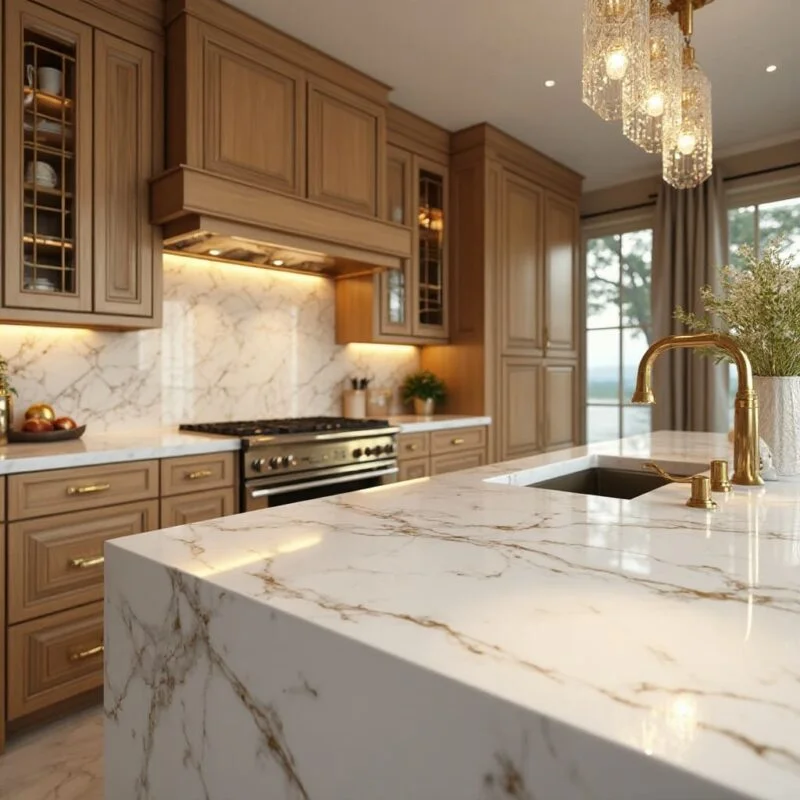
Visually the most distinctive natural stone. No other material replicates the depth of its veining. It is the most demanding to maintain. Marble etches on contact with acids including lemon juice and wine, scratches relatively easily, and requires regular sealing. Better suited to low-traffic areas than active cooking zones.
Read Guide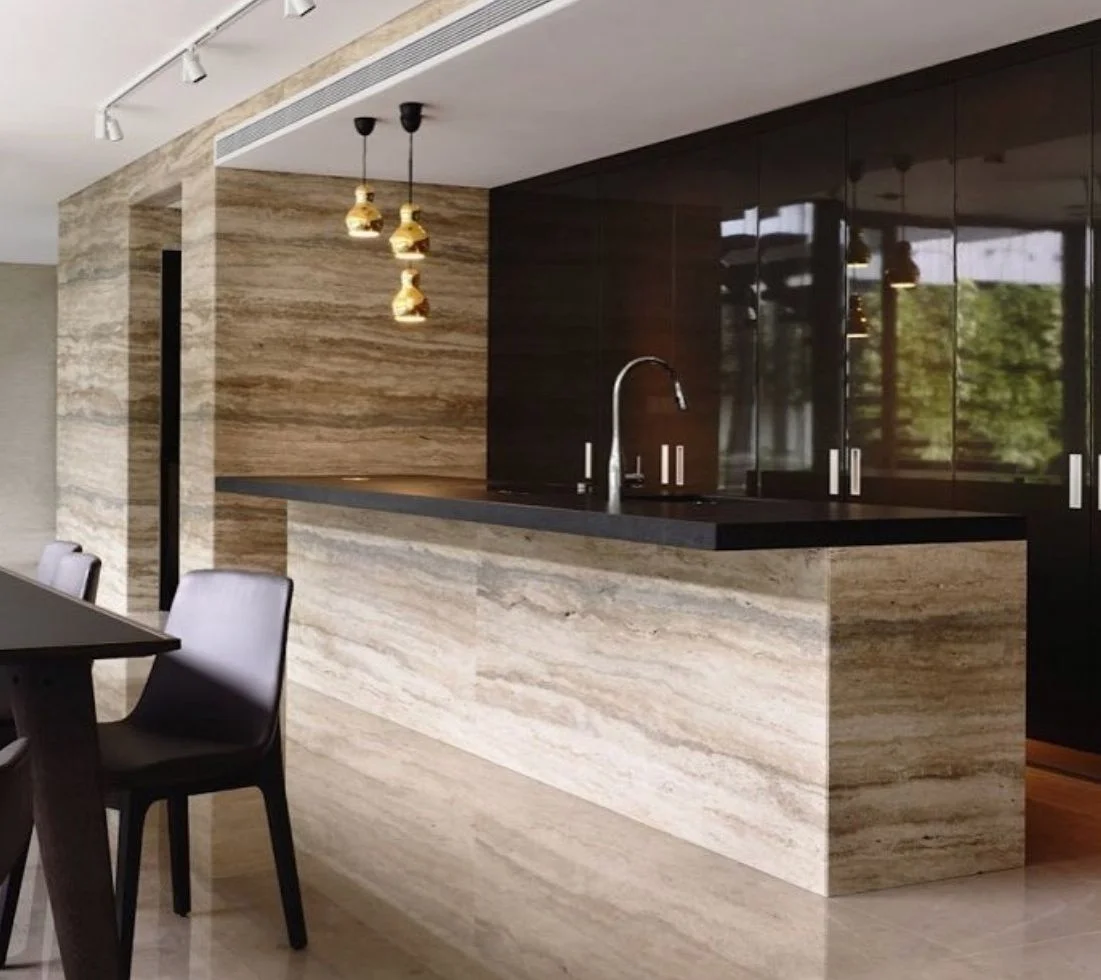
A sedimentary limestone with a distinctive naturally pitted surface and warm cream-to-amber tones. The pitting is characteristic of the material. It is filled during fabrication but remains a surface feature. Requires regular sealing and is susceptible to acidic liquids. Best suited to lower-use kitchen areas.
Read Guide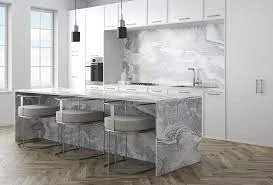
A soft sedimentary stone with a muted, natural palette of creams, greys, and beiges. The least durable natural stone option for kitchen use. It scratches, etches, and stains more readily than granite, quartzite, or even marble. Suited to homeowners who prioritise the material's unique aesthetic and are prepared for active maintenance.
Read Guide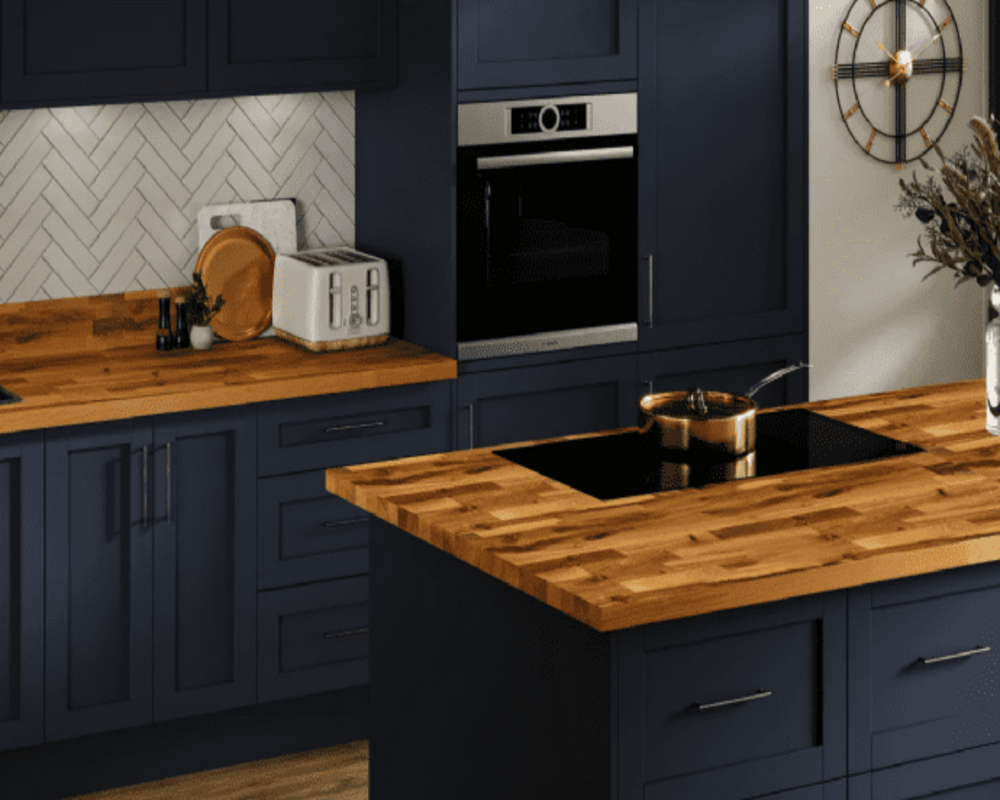
The warmest surface material available. Oak, walnut, and iroko are the most commonly specified species in UK kitchens. Scratches and water marks are sandable and re-oilable. Requires regular oiling, typically every three to six months, to maintain water resistance. Not suited to wet zones without rigorous sealing.
Read GuideEngineered and manufactured worktops are produced in controlled factory conditions. This gives them consistent colour and pattern, predictable performance characteristics, and in many cases better resistance to the problems affecting natural stone: staining, etching, and porosity. Price range is wider than natural materials, from budget laminate to premium quartz.
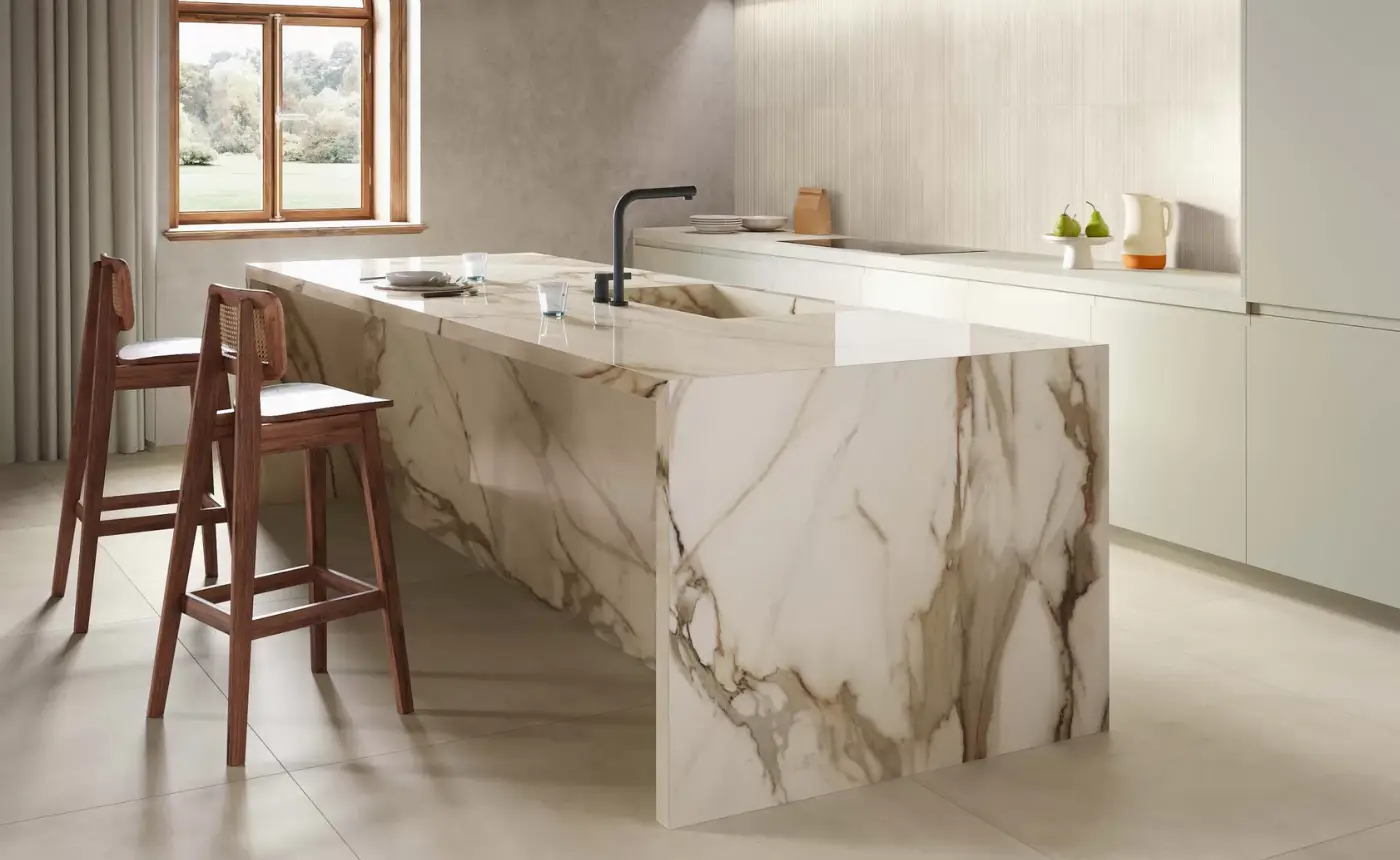
Produced from refined clays, minerals, and pigments pressed and fired at very high temperatures. Resistant to heat, scratches, stains, and UV fading. Available in large format slabs with minimal joins. Does not require sealing. One of the most low-maintenance surfaces available.
Read Guide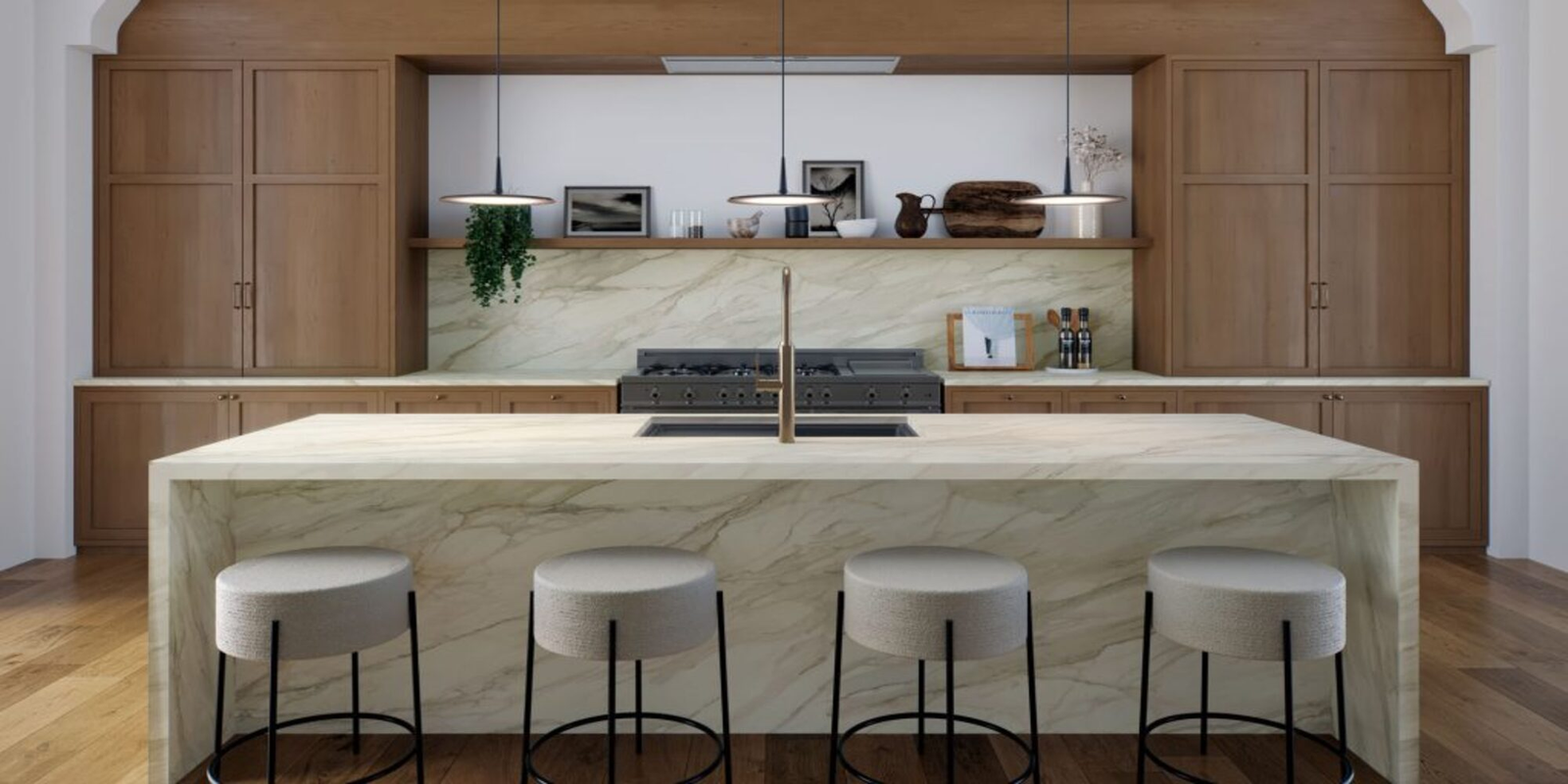
An engineered surface made from clays, minerals, and pigments, kiln-fired to produce a dense, non-porous finish. Available in slab format for seamless installation or tile format for a more traditional finish. Good heat and stain resistance with no sealing required. More brittle than porcelain. Heavy impacts will chip edges.
Read Guide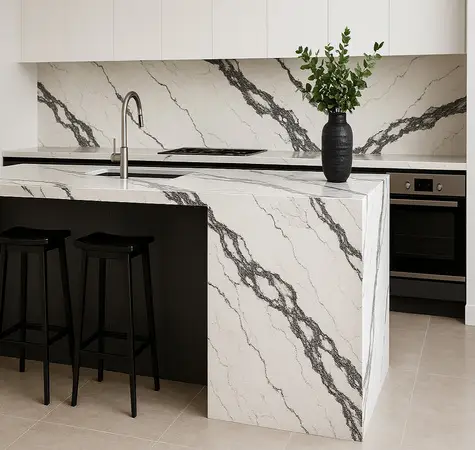
Crushed quartz mineral bound with resin to produce a surface non-porous, highly stain resistant, and consistent in appearance. Does not require sealing. The most widely specified engineered worktop in the UK market. Note: not heat resistant. Hot pans placed directly on the surface will cause permanent damage to the resin binder.
Read Guide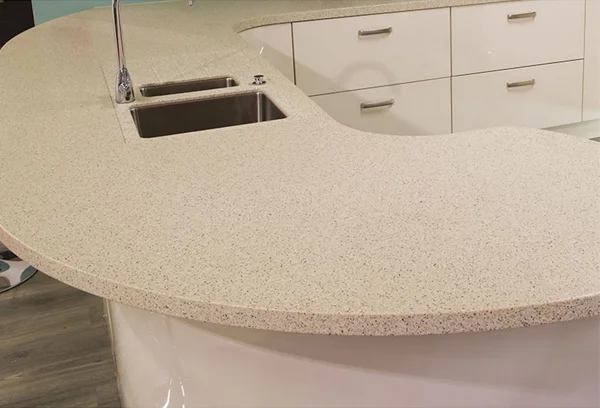
Made from acrylic polymers and mineral fillers. The key advantage over stone is surface scratches and minor damage are sandable and repairable. Seamless sink integration is possible since sink and worktop are made from the same material. Less heat resistant than stone. Trivet use is essential.
Read Guide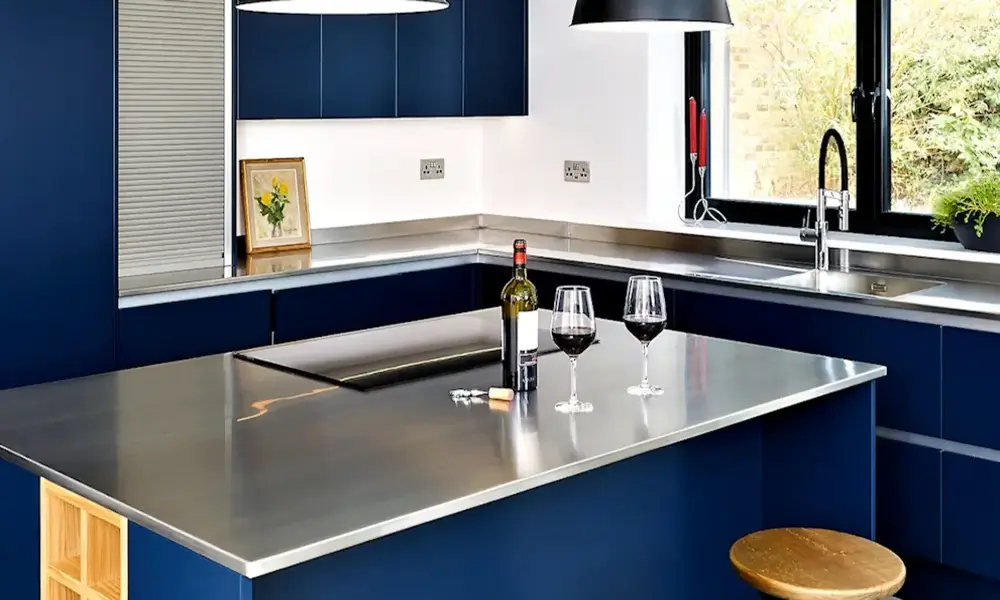
The material used in professional kitchens worldwide. Completely non-porous, heat resistant, and the most hygienic surface available. Brushed finishes mask fingerprints and light scratches better than polished. The surface will develop a patina of fine scratches over time. This is normal and does not affect hygiene or performance.
Read Guide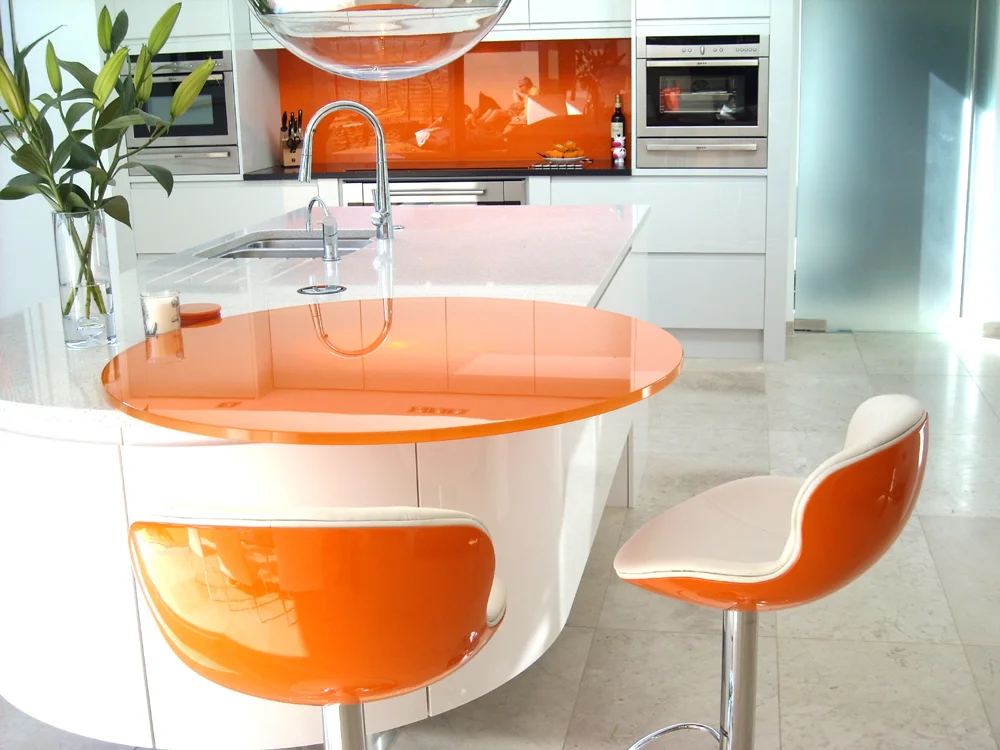
Toughened glass, typically back-painted in a wide colour range. The surface is completely non-porous and hygienic. The most visually distinctive manufactured worktop option. Any RAL or BS colour is achievable. Edge chipping is the main vulnerability. Internal corners and edges require care during installation and use.
Read Guide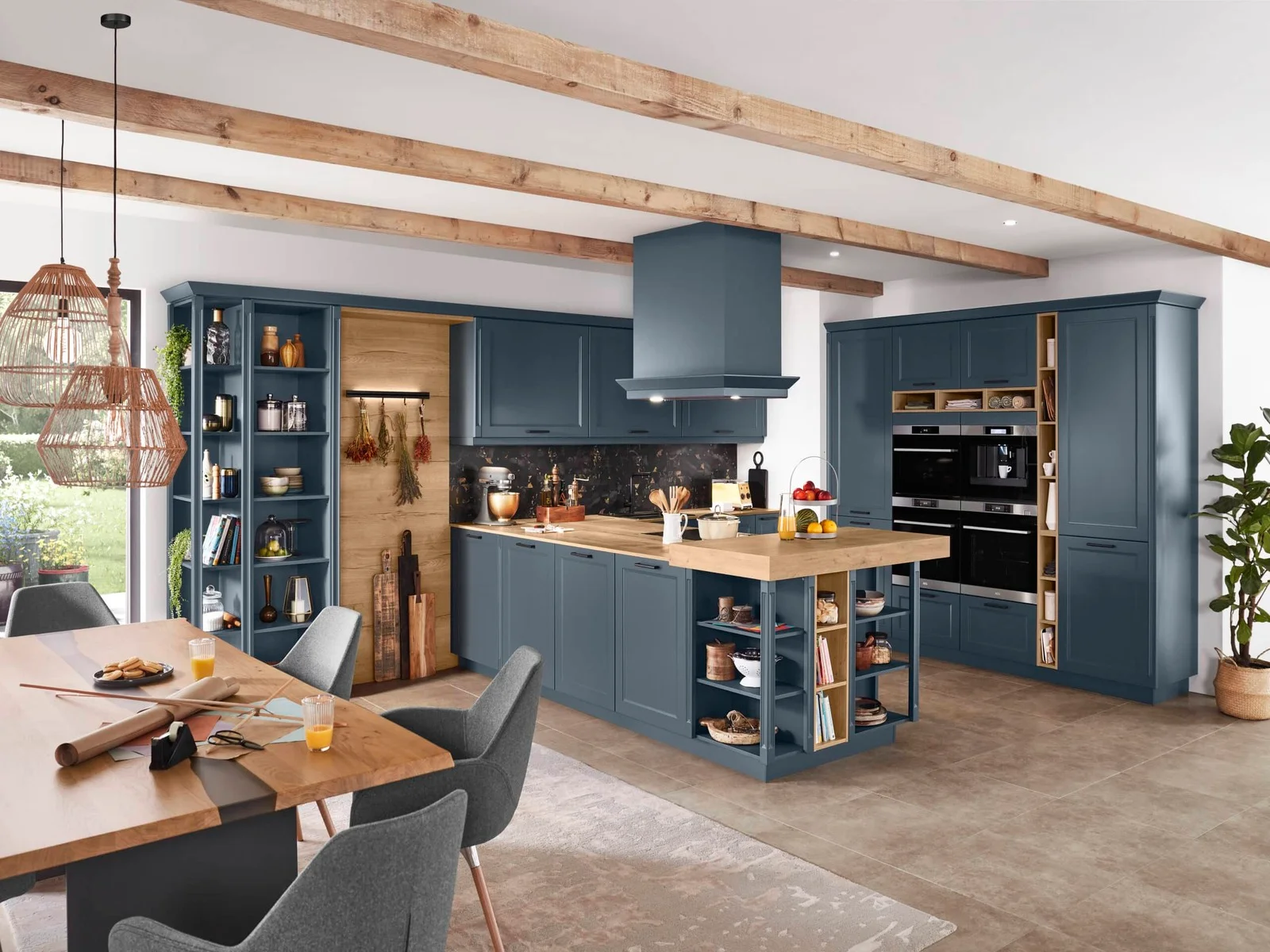
A significantly more durable version of standard laminate, manufactured under high pressure to produce better impact, moisture, and scratch resistance. Used extensively in German kitchen fit-outs at mid-range price points. Nobilia and other volume manufacturers specify HPL as their standard worktop offering. Joins are visible but manageable with professional fitting.
Read Guide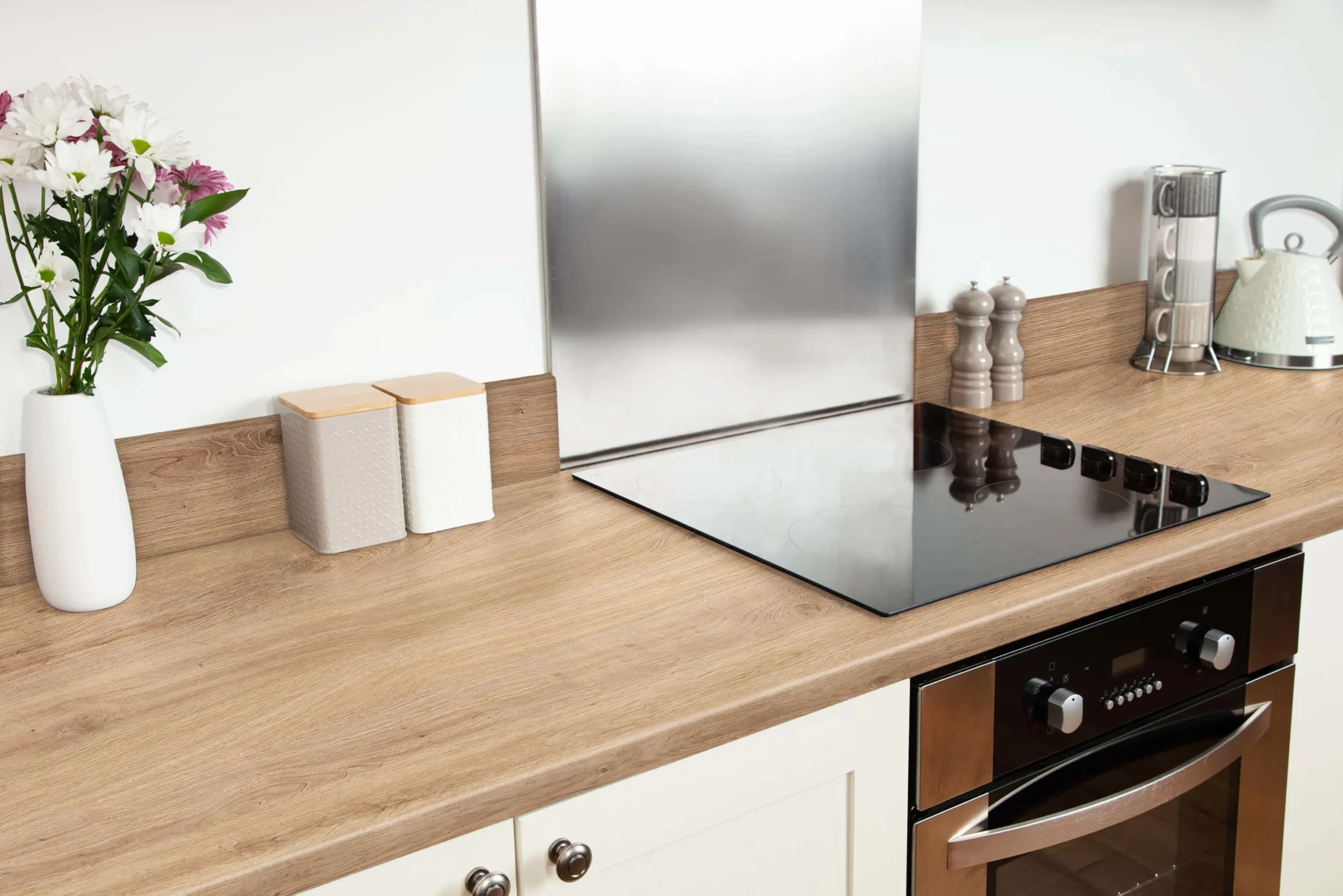
The most affordable worktop option and the most widely installed in the UK. Decorative paper bonded to particleboard under resin. Available in hundreds of colours and finishes, including convincing stone and wood replicas. Vulnerable to water ingress at joins and edges if not sealed properly. Replacement, rather than repair, is the route when damage occurs.
Read Guide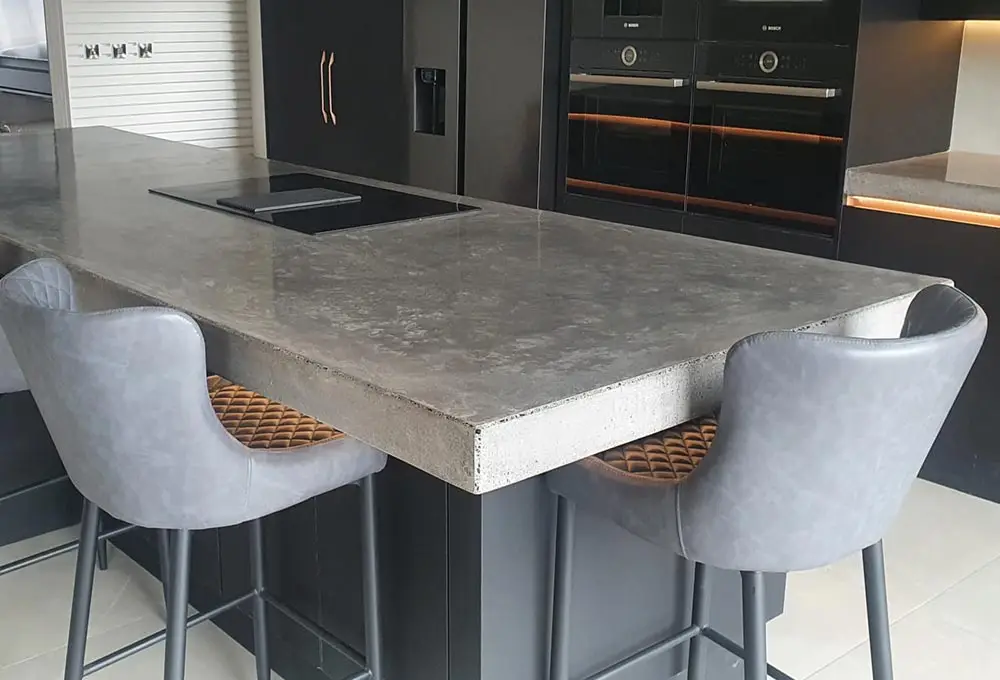
Custom-cast for each installation. No two worktops are identical. A bold, architectural surface that suits design-led and industrial kitchen schemes. Requires sealing on installation and periodically throughout its life. Heavy material — cabinet reinforcement is typically required.
Read Guide